



Sustainable Warehousing Paving the Way for a Greener Logistics Landscape

Warehouses as the Next Frontier for Sustainability
As global environmental concerns intensify, warehouses are emerging as critical
players in the transformation toward greener operations. India's warehousing sector
is experiencing a remarkable evolution, driven by multinational corporations pursuing
ambitious ESG commitments and Net Zero targets.
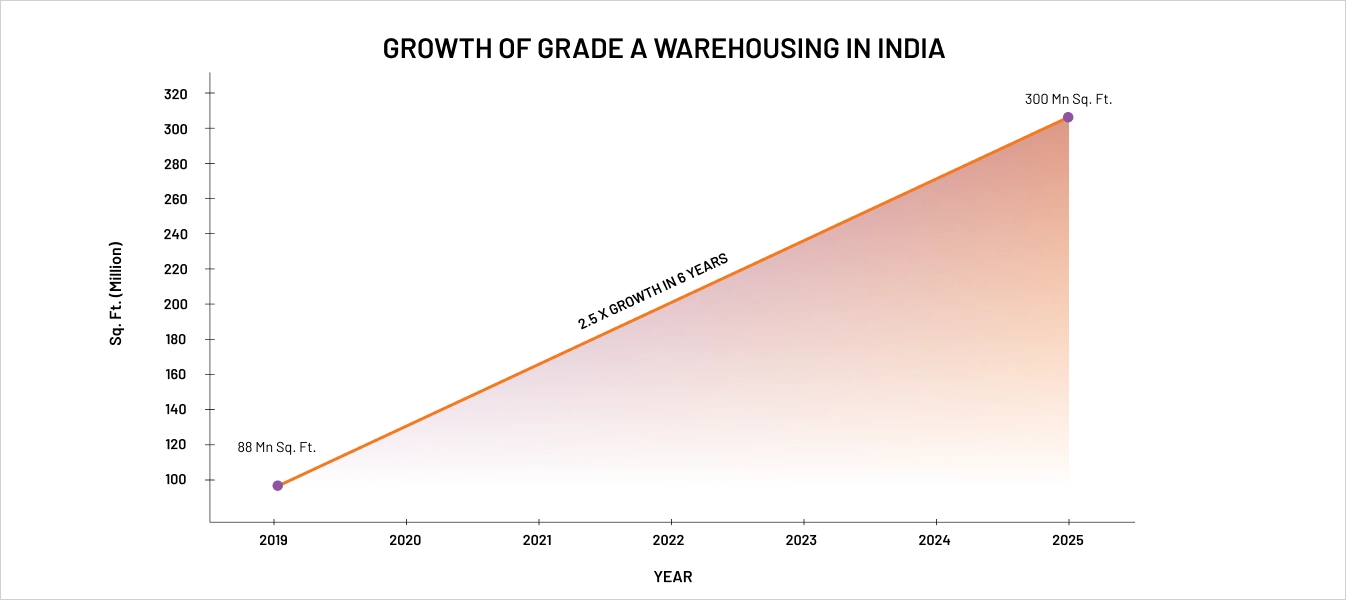
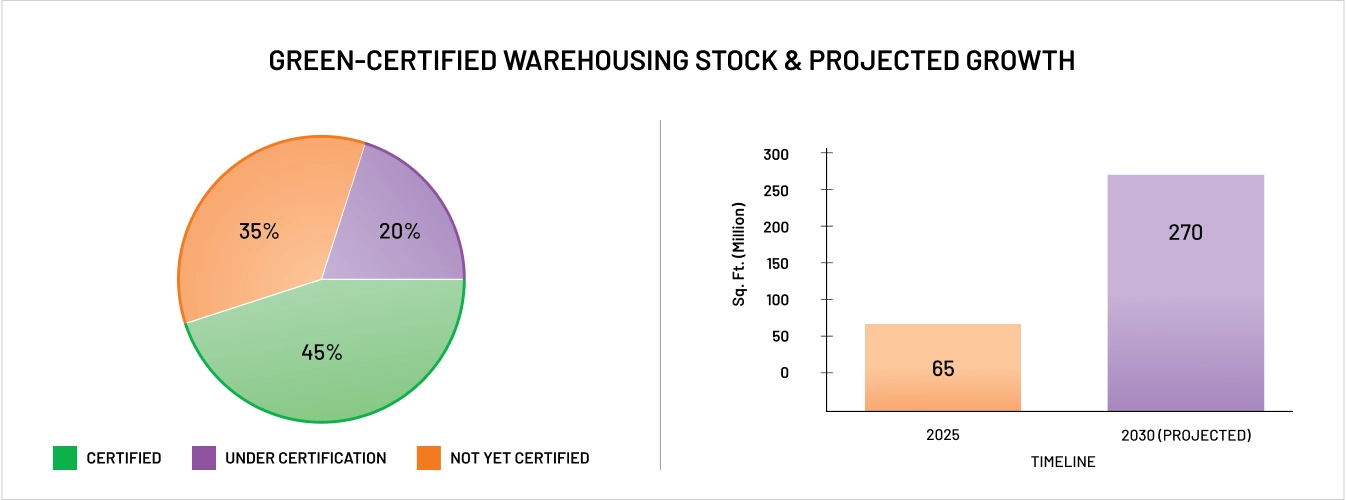
According to comprehensive research by JLL India, green-certified warehouse space in the country is projected to quadruple in the next 5 years. This transformation reflects deeper structural changes reshaping the industry. Over the past five years, Grade A warehousing stock across major Indian cities has expanded 2.5 times from 88 million square feet in 2019 to an impressive 238 million square feet by 2024, with institutional-grade space tripling during this period. Out of this institutional supply, 45% of current institutional portfolios are already certified and an additional 20% advancing through various certification stages, representing 65 million square feet, demonstrating that sustainability has transitioned from optional enhancement to fundamental market requirement. Green certified stock is expected to grow to approximately 270 million square feet by 2030 - a trajectory positioning India at the forefront of sustainable logistics infrastructure globally.
Out of this institutional supply, 45% of current institutional portfolios are already certified and an additional 20% advancing through various certification stages, representing 65 million square feet, demonstrating that sustainability has transitioned from optional enhancement to fundamental market requirement. Green certified stock is expected to grow to approximately 270 million square feet by 2030 - a trajectory positioning India at the forefront of sustainable logistics infrastructure globally.
The strategic focus on warehousing within broader supply chain sustainability initiatives reflects practical wisdom. Their predominantly passive role - storing and managing inventory rather than transforming materials or burning fossil fuels in transit - makes them ideal candidates for sustainability interventions that deliver measurable results without compromising operational effectiveness. By implementing green practices and deploying eco-friendly technologies, businesses can substantially reduce their supply chains' overall environmental footprint while maintaining the efficiency and reliability their customers demand.
Evaluating Sustainable Warehousing A Comprehensive Framework
Understanding whether a warehouse genuinely embodies sustainable principles requires examining multiple interconnected dimensions, from strategic location decisions to formal certifications that validate environmental performance claims.
1. Strategic Location and Transportation Optimization
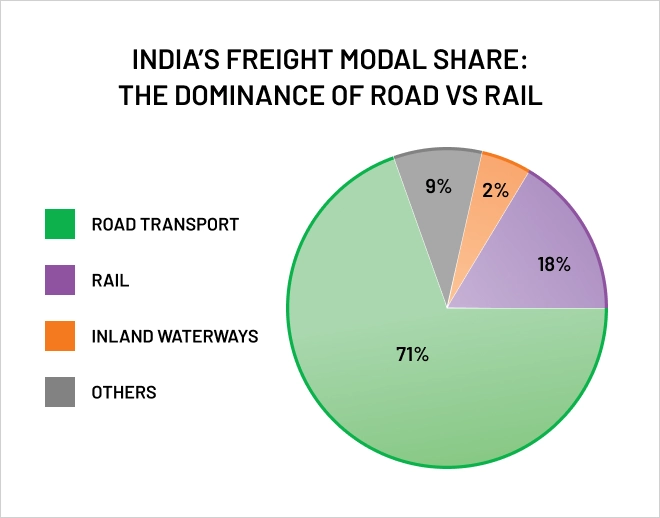
The sustainability journey begins with strategic site selection. Locating warehousing facilities near transportation hubs including ports, airports, railway terminals, and major highway interchanges dramatically reduces traveling distances for materials, and minimizes the fuel consumption that drives both costs and carbon emissions higher. This location optimization takes on heightened significance in India, where freight movement patterns are undergoing fundamental shifts. Road transport currently dominates with a 71% modal share, while rail accounts for just 18% and inland waterways a negligible 2%.
Sustainable industrial parks strategically positioned near railway terminals facilitate crucial modal shifts toward these inherently more energy-efficient transportation alternatives, enabled by the recent operationalization of 2,741 route kilometers representing 96.4% of dedicated freight corridors. The benefits accrued from these strategic uptakes are massive and thereby require incentivization for adoption.
2. Operational Excellence and Resource Management
Leading sustainable industrial parks achieve streamlined operations that systematically reduce energy consumed, waste generated, and greenhouse gases emitted. Corporate occupiers are increasingly demanding quantifiable outcomes, targeting 30% to 40% energy consumption reductions over project lifecycles alongside substantial water savings and comprehensive waste recycling.
By optimizing processes through advanced warehouse management systems, sophisticated automation technologies, and rigorous data-driven decision-making, these facilities cut environmental footprints significantly while simultaneously reducing processing time and operational expenses. Digital tools enabling businesses to calculate and compare transportation costs and greenhouse gas emissions across various transport modes are creating transparency that drives practical optimization decisions. The integration of over 100 crore API transactions across logistics platforms by March 2025 exemplifies how digital infrastructure is enabling the real-time visibility necessary for continuous improvement.
| Sustainability Metric | Implementation Strategy |
|---|---|
| Sustainability Metric Technical Implementation Approach | Energy Efficiency & Decarbonization Rooftop Solar PV, High-Efficiency HVAC, Skylights |
| Water Stewardship | Rainwater Harvesting, Sewage Treatment Plant (STP) |
| Waste Management & Circularity | Segregation at Source, Recycling Streams, and Zero Waste to Landfill (ZWL) Protocols |
| Digital Monitoring & ESG Reporting | IoT-Enabled Smart Metering, Real-Time ESG Dashboards |
3. Renewable Energy Deployment and Green Infrastructure
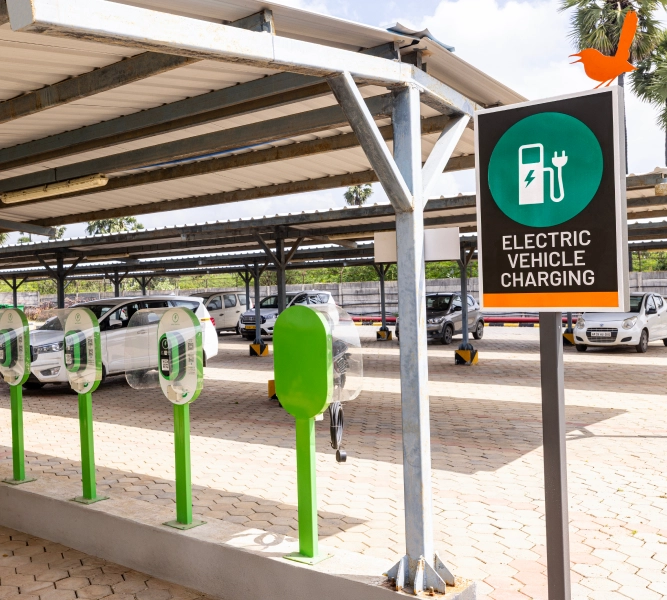
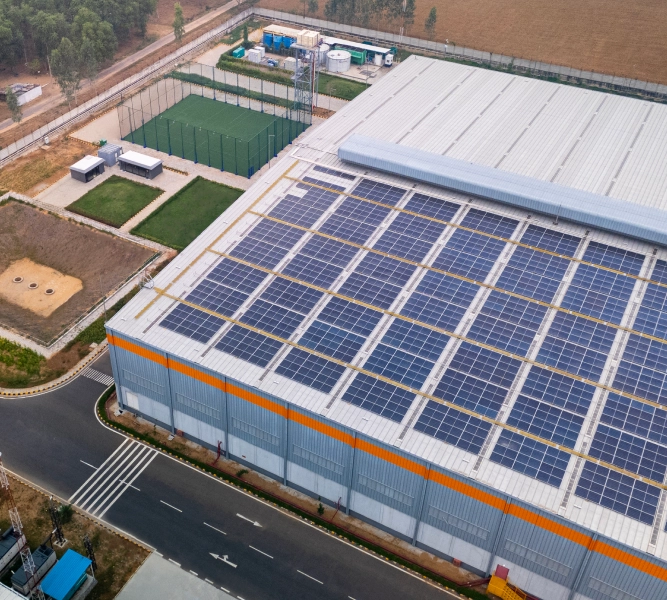
Progressive logistics parks enable eco-friendly transportation by integrating EV charging and alternative-fuel infrastructure, renewable energy, optimized layouts, and smart energy management to support low-emission fleet operations at scale. Foundational strategies include installing water-efficient plumbing systems that substantially reduce municipal water consumption, deploying multi-megawatt solar capacity to augment energy supply while reducing grid dependency, and implementing comprehensive waste recycling programs that transform waste streams into valuable resources. Leading warehouse developers are installing substantial solar photovoltaic systems on expansive warehouse rooftops, with facilities now generating 10-15% of total energy requirements from on-site renewable sources. This renewable energy imperative aligns with India's commitment to achieve 500 gigawatts of renewable energy capacity by 2030, making warehouse solar installations integral contributors to climate goals while simultaneously reducing operational costs through decreased grid dependency.
4. Certifications: Independent Validation of Environmental Performance
Obtaining recognized green building certifications provides independent third-party verification that facilities meet exacting environmental performance standards spanning energy efficiency, water conservation, indoor air quality, sustainable material selection, and comprehensive waste management. In India, the Indian Green Building Council (IGBC) leads the green building movement, having registered 8,669 projects encompassing 9.75 billion square feet. The council offers 31 distinct rating systems addressing all building typologies including industrial warehouses, supported by over 1,700 member organizations. Globally recognized certifications include LEED (Leadership in Energy and Environmental Design), GRIHA (Green Rating for Integrated Habitat Assessment), Green Star, and BREEAM (Building Research Establishment Environmental Assessment Methodology). Institutional investors are prioritizing these rigorous standards, with approximately 45% of current institutional portfolios already certified and an additional 20% pre-certified or actively pursuing certification. In the light of greenwashing concerns and to stay compliant, post certification tracking becomes an important step as well.



Implementation Strategies: Translating Commitment into Action
Transforming sustainability aspirations into operational reality requires comprehensive strategies across every dimension of warehouse design, construction, and operations.
Energy Efficiency as the Foundation
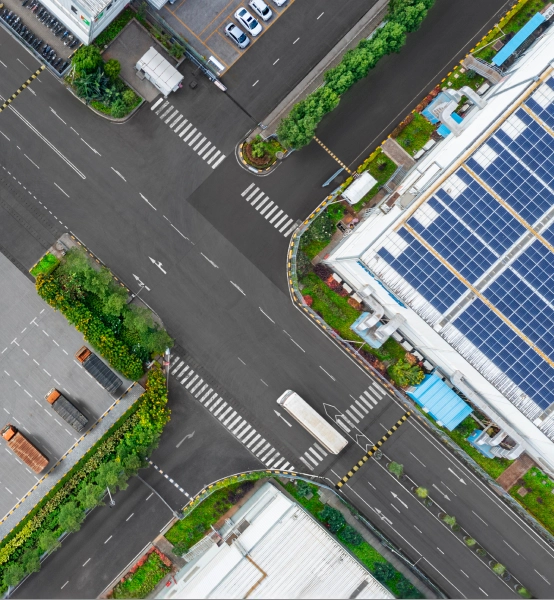


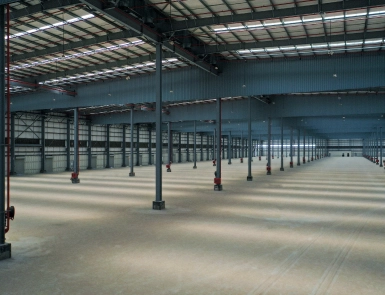

Energy consumption represents simultaneously one of the largest operational costs and most significant environmental impacts for warehousing facilities. Horizon Industrial Parks exemplifies energy efficiency implementation through ESG initiatives targeting 15% carbon footprint reduction over three years. The company has achieved 20 megawatt-peak solar capacity with 100% LED implementation across all facilities, resulting in 20,470 tonnes of CO₂ emissions reduced. Strategic incorporation of passive architectural features maximizing natural daylighting and deployment of sustainable HVAC systems reduce mechanical energy consumption dramatically compared to conventional warehouse designs. These investments deliver cascading benefits: lower operating costs improve tenant economics, reduced peak demand charges improve financial planning accuracy, enhanced thermal comfort improves worker productivity, and demonstrated commitment to measurable sustainability outcomes helps tenants meet their own corporate environmental commitments.
Water Stewardship and Conservation
Water management represents another critical sustainability dimension often overlooked in conventional warehouse operations. Progressive facilities implement rainwater harvesting systems, water-efficient fixtures throughout, stormwater management infrastructure, and groundwater recharge provisions. Horizon Industrial Parks has achieved 100% water recycling across its portfolio with rainwater harvesting systems deployed at all parks, demonstrating that comprehensive water stewardship is both achievable and economically viable. These water conservation measures reduce municipal water dependency, lower operating costs, enhance drought resilience, and contribute to regional water security in increasingly water-stressed regions.
Substantial Reduction in Operational Costs
Warehouse automation reduces operational costs across multiple categories - labour expenses decline, error-related costs diminish, energy consumption decreases, and maintenance costs become more predictable. AMRs deliver payback in under 24 months while cutting five-year operating costs by approximately 40%, with even capital-intensive AS/RS systems typically achieving payback within three to five years.
Biodiversity Enhancement and Ecological Integration
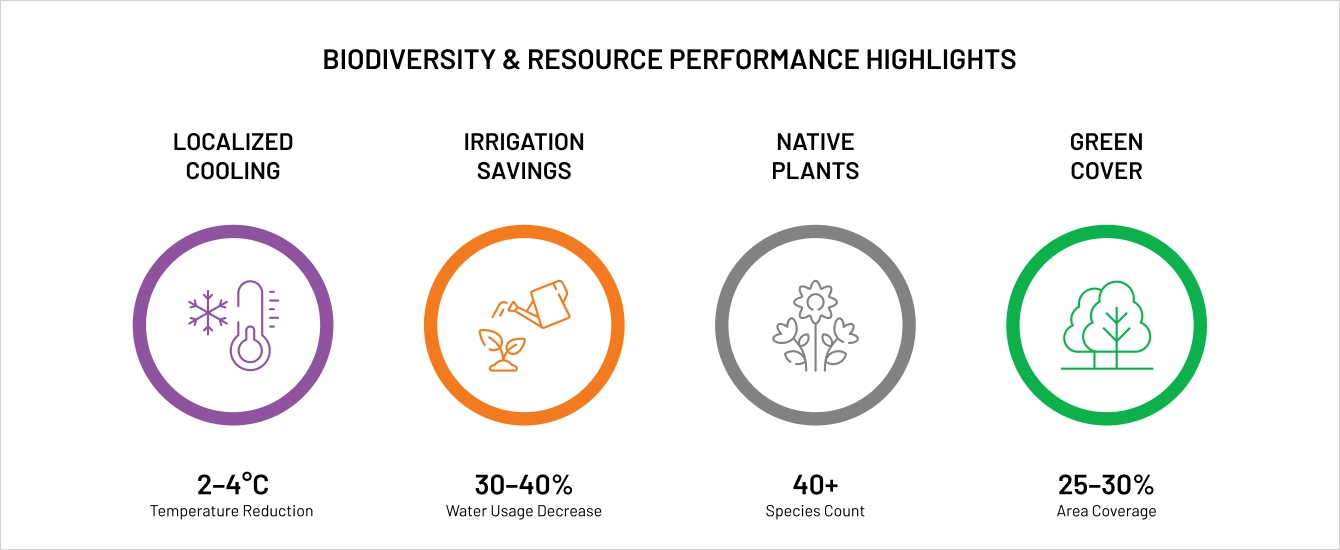
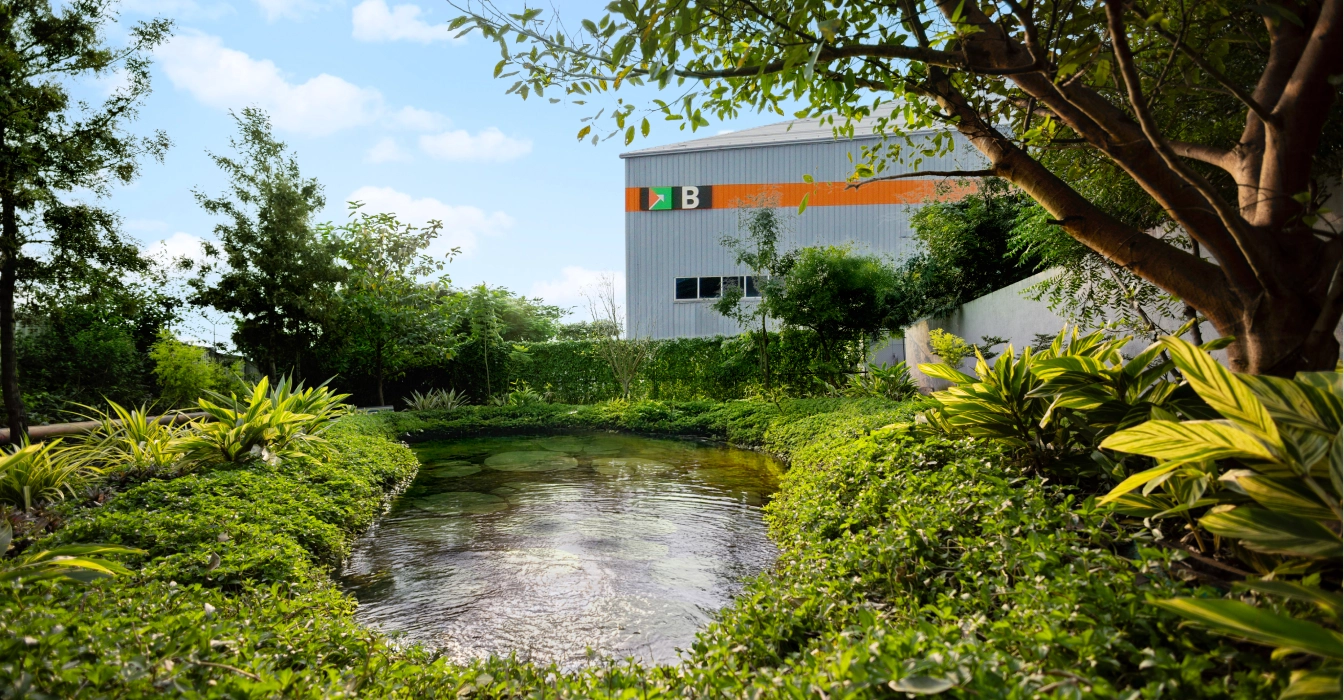
Genuinely sustainable industrial parks recognize that environmental responsibility extends beyond energy metrics to encompass broader ecological impacts and tangible opportunities for biodiversity enhancement. Progressive warehouse developers are deeply committed to preserving and actively enhancing biodiversity across their parks and surrounding landscapes. Thoughtful strategies include creation of expansive landscaped zones, dense urban forests creating rapidly growing native plant communities that naturally support native wildlife and lily ponds supporting aquatic ecosystems. These biodiversity initiatives deliver multiple interconnected benefits: native vegetation requires minimal irrigation and ongoing maintenance, dense vegetation provides natural evaporative cooling reducing urban heat island effects, green spaces dramatically improve air quality, and attractive natural environments demonstrably improve worker satisfaction and mental wellbeing. Industry benchmarks indicate that such approaches typically enable 25–30% green cover, 40+ native plant species, ~30–40% lower irrigation demand, and localized cooling of up to 2–4°C in shaded areas.
Comprehensive Waste Management
Leading developers deploy eco-friendly materials including fly-ash in concrete production, beneficially utilizing industrial byproducts that would otherwise occupy landfills. Steel structures are strongly preferred for their exceptional durability and complete recyclability at end-of-operational-life, embodying circular economy principles. During operational phases, sustainable warehouses actively promote exemplary practices through strategically positioned segregated waste bin systems enabling straightforward separation of recyclable materials, compostable organic waste, and residual waste requiring disposal. On-site compost pit installations process horticulture and food waste, creating valuable nutrient rich soil for landscaping. Through these comprehensive, systematically implemented practices, leading facilities successfully divert over 95% of generated waste from landfills.
Design for Sustainability: Embedding Green from Conception
"Design for Sustainability / DfS" in industrial real estate encompasses implementing comprehensive techniques during planning and design phases to fundamentally reduce buildings' environmental impacts. This holistic approach includes specifying environment-friendly and reclaimed construction materials, incorporating robust provisions for rainwater harvesting and groundwater recharge, designing buildings to minimize energy consumption through passive strategies including optimal solar orientation and strategic natural ventilation, and integrating comprehensive waste management infrastructure. Material selection profoundly impacts both embodied carbon in construction and long-term operational performance through high-performance insulation, low-VOC paints and finishes, significant recycled content, and deliberate design for eventual disassembly and material reuse. All Horizon parks are built to IGBC/LEED standards 100% compliance to environment, health, and safety standards, demonstrating that rigorous sustainability standards can be consistently achieved across entire portfolios.
The Compelling Business Case for Sustainable Warehousing
While environmental imperatives provide the moral foundation for sustainable warehousing, robust economic advantages explain the accelerating adoption rates across institutional investors, warehouse developers, and corporate occupiers.

Capital Attraction and Investment Appeal
Sustainable industrial parks exert particularly strong appeal to environmentally conscious institutional investors who increasingly prioritize ESG performance as essential investment criteria. India's green buildings market recorded impressive revenues of $35.9 billion in 2025, representing a compound annual growth rate of 12.4% between 2019 and 2025. Industrial and warehousing segments are capturing increasing proportions of this investment surge as sophisticated institutional players recognize both the sector's compelling growth potential and the inescapable sustainability imperatives reshaping tenant requirements. Horizon Industrial Parks' achievement of a 5-Star GRESB Rating and Green Star designation in its debut year of assessment places it among global leaders in ESG performance, demonstrating that Indian developers can compete successfully for international capital on sustainability credentials. At the same time, higher upfront capex associated with advanced sustainability features can pose challenges for mid-sized developers, raising the risk of a two-tier market where access to institutional capital increasingly favours larger, ESG-mature platforms.
Operational Resilience and Business Continuity
Robust infrastructure and comprehensive disaster preparedness are increasingly essential for maintaining reliable operations during extreme weather events and natural disasters, which are demonstrably increasing in both frequency and severity due to accelerating climate change impacts. Sustainable building practices frequently deliver resilience improvements as integral co-benefits: elevated floor levels provide protection against flooding events, robust roof systems designed for solar panel loads naturally withstand extreme wind events more effectively, distributed renewable energy generation coupled with battery energy storage provides reliable backup power during grid outages, and comprehensive water harvesting and storage systems maintain operations during supply disruptions.
Enhanced Tenant Attraction and Market Positioning
In contemporary markets, sustainability has transitioned from aspirational ideal to essential requirement. According to a McKinsey research, consumers willingly pay meaningful premiums for genuinely sustainable products and services. For warehouses serving these increasingly sustainability-conscious brands, adopting comprehensive sustainable strategies represents strategic business opportunity to establish meaningful competitive differentiation. Leading multinational corporations operating under strict sustainability mandates are fundamentally reshaping India's logistics real estate landscape by demanding rigorously certified green warehouses, compelling warehouse developers and investors to prioritize genuinely sustainable construction methods and operational standards. As comprehensive ESG requirements become standard expectations for international occupiers, green warehousing is emerging as decisive strategic advantage - attracting premium investment capital and securing long-term tenant commitments while commanding rental premiums.
Social Impact and Community Development
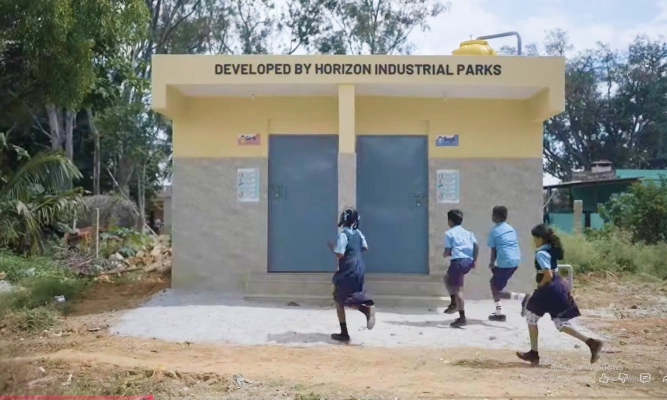


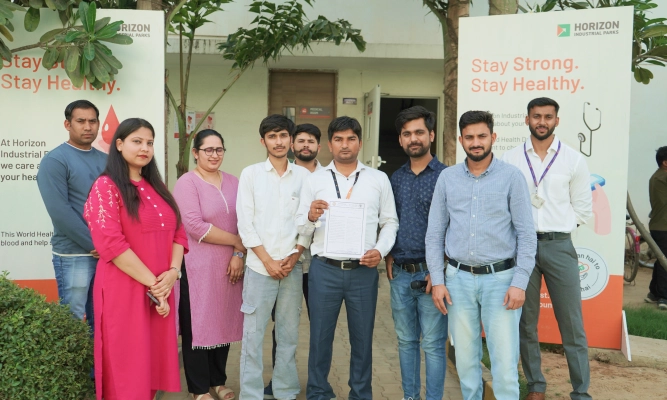
Logistics parks actively boost local economic ecosystems by deliberately prioritizing procurement from local suppliers and systematically employing regional labor forces, thereby stimulating broad-based economic activity while simultaneously reducing transportation-related carbon emissions. Horizon Industrial Parks has impacted over 3,000 people through CSR programs focused on community well-being, infrastructure support, health camps, sanitation drives, and road improvements at nearby villages, while ensuring that the workforce at our parks receive training on conduct, ethics, and safety. This deliberate human capital development is gradually transforming a predominantly unorganized sector into a modern industry offering stable employment and genuine advancement opportunities.
Navigating Challenges While Seizing Emerging Opportunities
The journey toward widespread sustainable warehousing adoption necessarily involves navigating several persistent challenges while strategically capitalizing on significant emerging opportunities.
Infrastructure Development and Regional Disparities
Infrastructure limitations, particularly acute in less-developed regions, can meaningfully hinder establishment of modern sustainable facilities. Inadequate multimodal transportation connectivity increases logistics costs while paradoxically increasing emissions through suboptimal modal choices. These challenges are being systematically addressed through major coordinated development initiatives spanning transportation, energy, and digital infrastructure. Sophisticated digital platforms integrating previously siloed data from numerous logistics-related government agencies and private operators are enabling vastly improved planning and operational coordination. Strategically positioned multi-modal logistics parks being developed across the country provide integrated infrastructure hubs that effectively overcome persistent local limitations through economies of scale and coordinated investment.
Balancing Investment Requirements with Compelling Returns
Initial capital expenses associated with implementing comprehensive sustainable logistics practices may deter businesses lacking patient capital access. However, multiple powerful support mechanisms are making sustainable investments progressively more financially accessible. Targeted government incentive programs including substantial tax credits for renewable energy installations and generous accelerated depreciation schedules for qualified green technologies significantly reduce effective costs and improve financial returns. High-profile recognition programs celebrating logistics excellence while emphasizing sustainability leadership provide meaningful reputational benefits that tangibly enhance market positioning. The LEAPS 2025 (Logistics Excellence Advancement and Performance Shield) an initiative by DPIIT launched in October 2025 benchmarks logistics excellence while emphasizing sustainability, ESG practices, and green logistics, inviting applications from various logistics segments and recognizing innovation and leadership within India's logistics industry.
Knowledge Development and Capacity Building
Training specialized workforces and conducting targeted upskilling programs become critically important when implementing advanced sustainable technologies. Over 90% of India's logistics industry remains unorganized despite recent formalization progress, resulting in significant knowledge gaps about modern sustainable practices. The industry is responding systematically through expanding capacity building initiatives. Green building councils and professional industry associations offer increasingly comprehensive training programs educating stakeholders about sustainable design principles, construction techniques, and operational best practices. Government-supported employee-linked incentive schemes and targeted training programs specifically designed for logistics and warehousing sectors are actively reshaping this traditionally unorganized industry, strengthening India's considerable demographic advantages by unlocking productive new employment opportunities while systematically enhancing human capital quality.
Creating Systemic Change Through Demonstration
Despite these genuine challenges, the opportunities for meaningful progress are substantial and growing. Education and training initiatives are steadily increasing practical awareness and actionable knowledge about sustainability benefits and implementation of eco-friendly processes. Supportive policy frameworks are evolving to provide clearer regulatory guidance and stronger financial incentives for sustainable development across jurisdictions. And highly visible demonstration projects by leading developers are proving conclusively that sustainable warehousing delivers compelling economic returns alongside environmental benefits. We are living in a transformative era where sustainability represents not merely ethical aspiration but decisive strategic advantage. Companies authentically contributing to planetary health are gaining measurable competitive advantages in increasingly transparent, values-driven markets.
The Road to Net Zero: Ambitious Targets and Measurable Progress
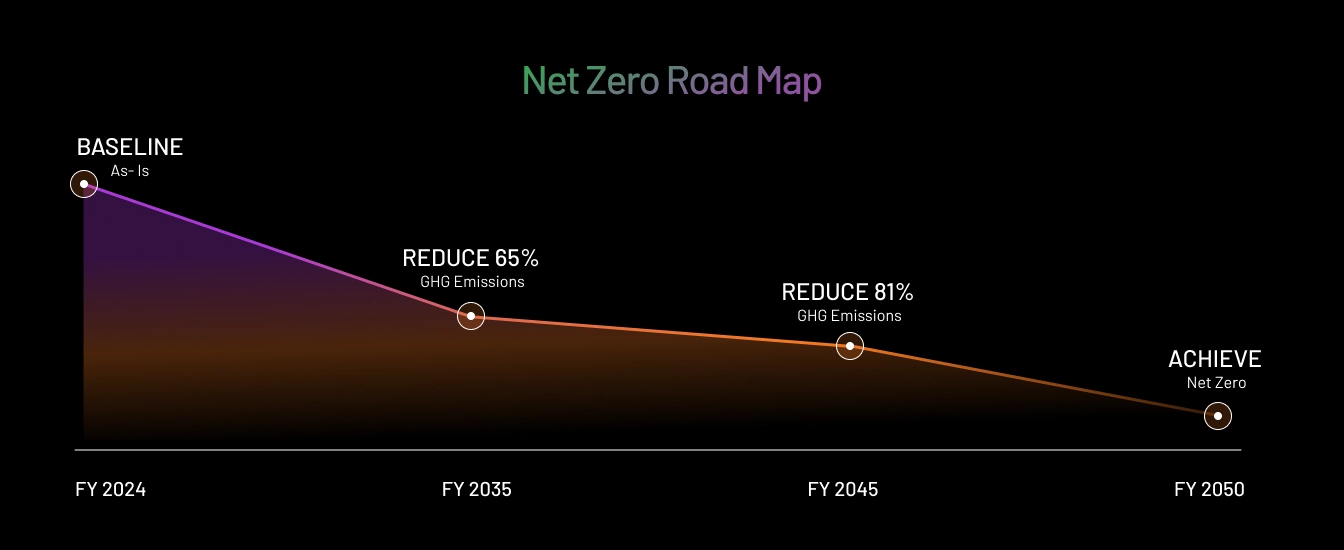
The global imperative to limit temperature increases to 1.5°C above pre-industrial levels demands ambitious action from every sector, and warehousing must contribute its share. Progressive warehouse developers are thereby establishing science-based decarbonization pathways aligned with the Paris Agreement objectives. Horizon Industrial Parks is developing near- and long-term emission reduction targets aligned to the Science Based Targets initiative (SBTi) framework, establishing a clear roadmap: baseline emissions measurement in FY 2024, 65% GHG emissions reduction by FY 2035, 81% reduction by FY 2045, and achievement of Net Zero by FY 2050. This structured, time-bound approach provides transparency and accountability while demonstrating that ambitious climate goals are achievable through systematic implementation of proven strategies including renewable energy deployment, energy efficiency improvements, sustainable material selection, and comprehensive operational optimization. The journey to Net Zero requires sustained commitment, substantial investment, and continuous innovation - but it represents the essential path forward for responsible businesses committed to operating within planetary boundaries.
Looking Ahead: The Future is Sustainable Warehousing
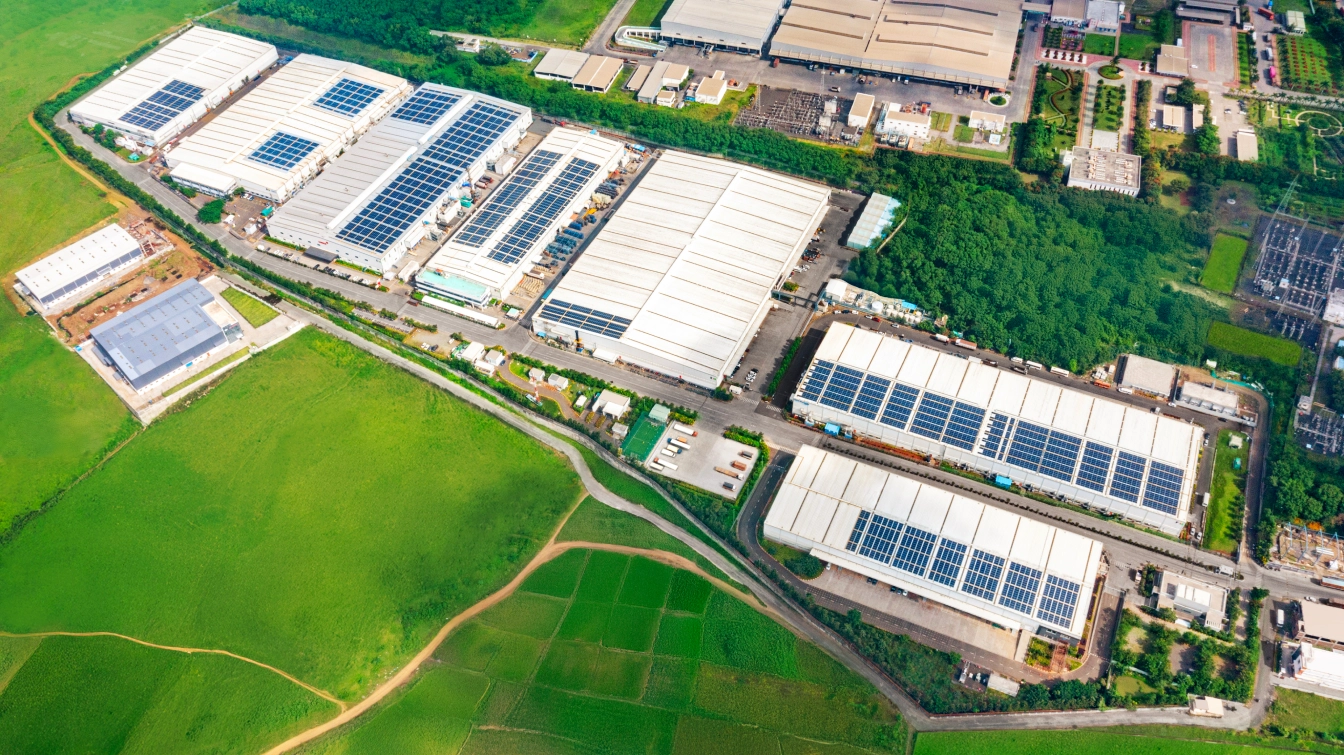
The shift toward sustainable warehouses represents not a temporary trend but an essential, irreversible evolution in logistics that will fundamentally define competitive success and environmental stewardship over coming decades. With a visible development pipeline of approximately 260 million square feet of institutional supply projected by 2030 representing 70% of all forecasted Grade A supply, India's sustainable warehousing sector is positioned for genuinely transformative growth. The powerful convergence of supportive policy frameworks, insistent market demand from sophisticated tenants, and conclusively demonstrated economic viability is creating unprecedented momentum.
Companies must embrace and systematically expand sustainable practices to remain competitive and discharge their responsibilities in the face of mounting environmental and social challenges. The logistics sector's ongoing transformation from predominantly informal to increasingly formalized and professionalized operations creates a precious opportunity to embed robust sustainability principles from the ground up, avoiding the costly retrofits that characterize sustainability transitions in mature sectors. With the sector employing over 22 million people and growing robustly at 5% annually, the social and economic impacts of this green transition extend far beyond environmental metrics.
The journey toward truly sustainable warehouses requires strong management capabilities and sophisticated change management approaches to thoughtfully transform organizational cultures and deeply embedded operational practices. At Horizon Industrial Parks, sustainability is embedded into the way we design, build, and operate our parks. With developments certified and pre-certified to IGBC Platinum standards, we ensure that every project underscores our commitment to green design and climate-resilient infrastructure. Our 100% ESG policy adoption, transparent sustainability reporting aligned with GRESB standards, and comprehensive materiality assessments engaging stakeholders across our ecosystem reflect our conviction that environmental leadership creates rather than constrains business value. We view sustainable warehouses as a tremendous opportunity to lead our sector toward demonstrably more sustainable, systematically optimized, and durably cost-effective practices that create authentic value for customers, strengthen communities, and protect the planet we all share.
With continued dedication to these essential principles, the logistics industry can pave the way for a genuinely greener, healthier, and more sustainable future. The future is sustainable - and that future is being built today in the innovative logistics parks systematically transforming India's industrial landscape one solar panel, one green building certification, one sustainable practice at a time. This is not merely our aspiration but our commitment, our competitive advantage, and our legacy for generations to come.
References