




Modern Warehouse Automation Powering the Next Era of Logistics Efficiency
The Imperative for Automated Warehousing
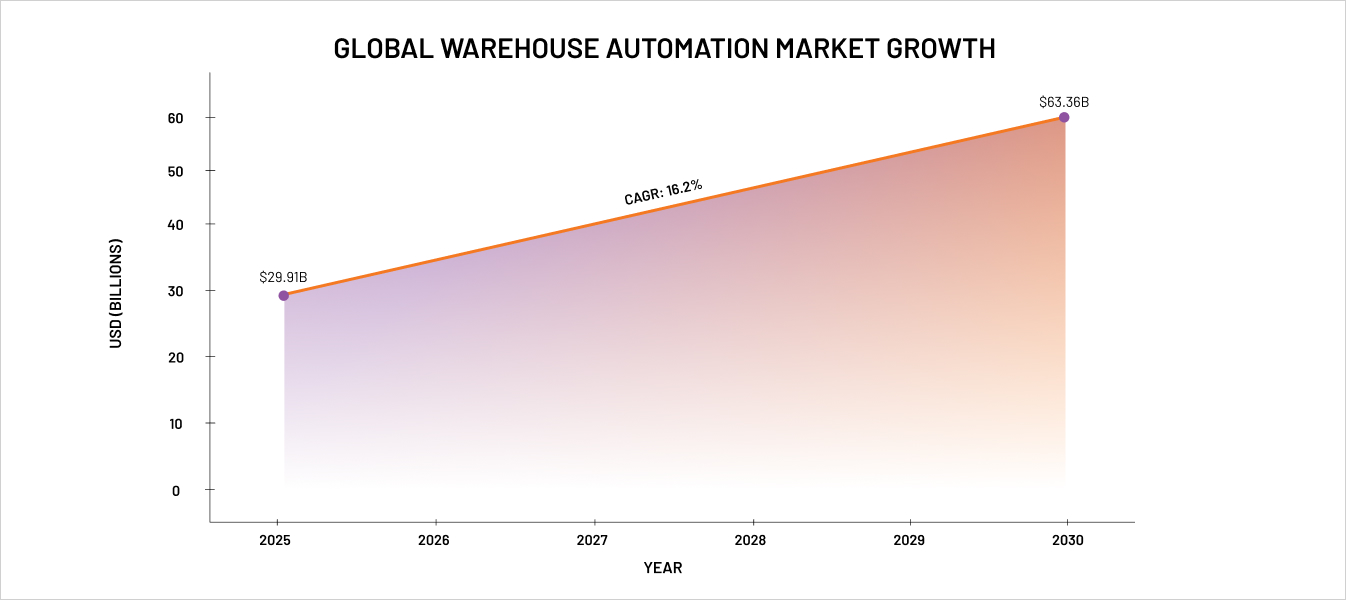
The contemporary warehouse landscape is undergoing a profound transformation, shaped by shifting consumer expectations, the explosive growth of e-commerce, and an insistent demand for faster, more accurate order fulfilment. Traditional, labour-intensive warehouses have steadily been replaced by smart, automated facilities driven by cutting-edge technologies including robotics, automation systems, advanced data analytics, and Internet of Things (IoT) devices. The global momentum behind warehouse automation is accelerating at a remarkable pace, with industry estimates projecting the market will expand from $29.91 billion in 2025 to $63.36 billion by 2030, achieving a CAGR of 16.2%.
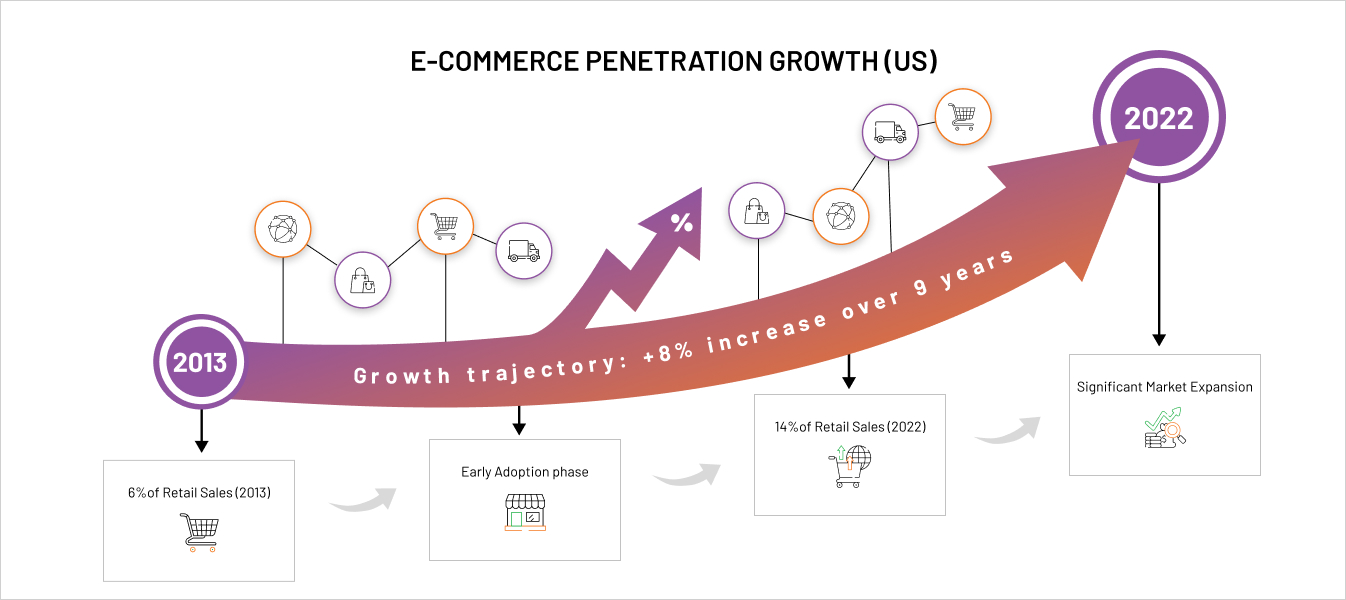
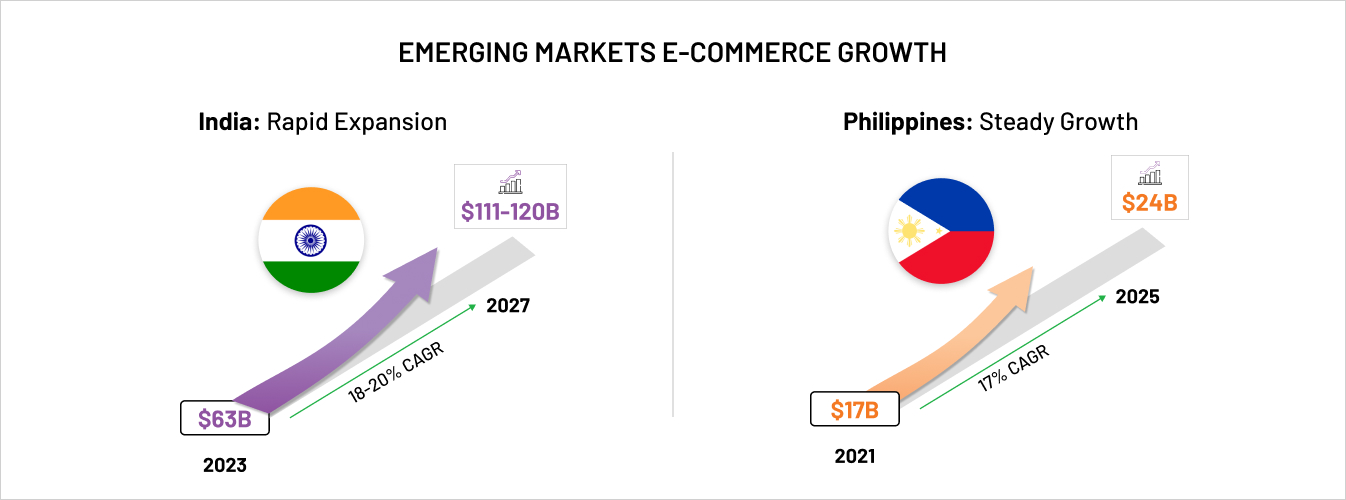
This technological revolution addresses multiple converging pressures. E-commerce penetration continues its relentless expansion, with quarterly retail e-commerce sales in the United States climbing from approximately 6% of total retail sales in 2013 to over 14% in 2022. In emerging markets, the trajectory is even more dramatic. India's e-commerce market reached USD 63 billion in 2023 and is projected to grow at a CAGR of 18-20% to reach USD 111-120 billion by 2027, driven by rising internet adoption, logistics upgrades, and rapid expansion in Tier-2 and Tier-3 cities. The Philippines, for instance, witnessed e-commerce sales reach $17 billion in 2021 with 73 million active users, expected to grow by 17% to reach $24 billion by 2025. These figures underscore why warehouses must evolve into high-performance fulfilment engines capable of operating at unprecedented speed and scale.
Simultaneously, persistent labour scarcity and rising wage pressures are compelling warehouse operators to seek alternatives to manual processes. Automation not only alleviates dependency on human labour for physically demanding tasks but also enhances safety. Furthermore, subscription-based robotics services are lowering capital barriers, with Autonomous Mobile Robots (AMRs) delivering payback in under 24 months while cutting five-year operating costs by approximately 40%.
Understanding the Six Core Warehouse Processes
Warehouse management fundamentally revolves around six interconnected core processes, each presenting distinct opportunities for automation to enhance efficiency. These processes - receiving, put-away, storage, picking, packing, and shipping - form the backbone of modern warehouse operations.
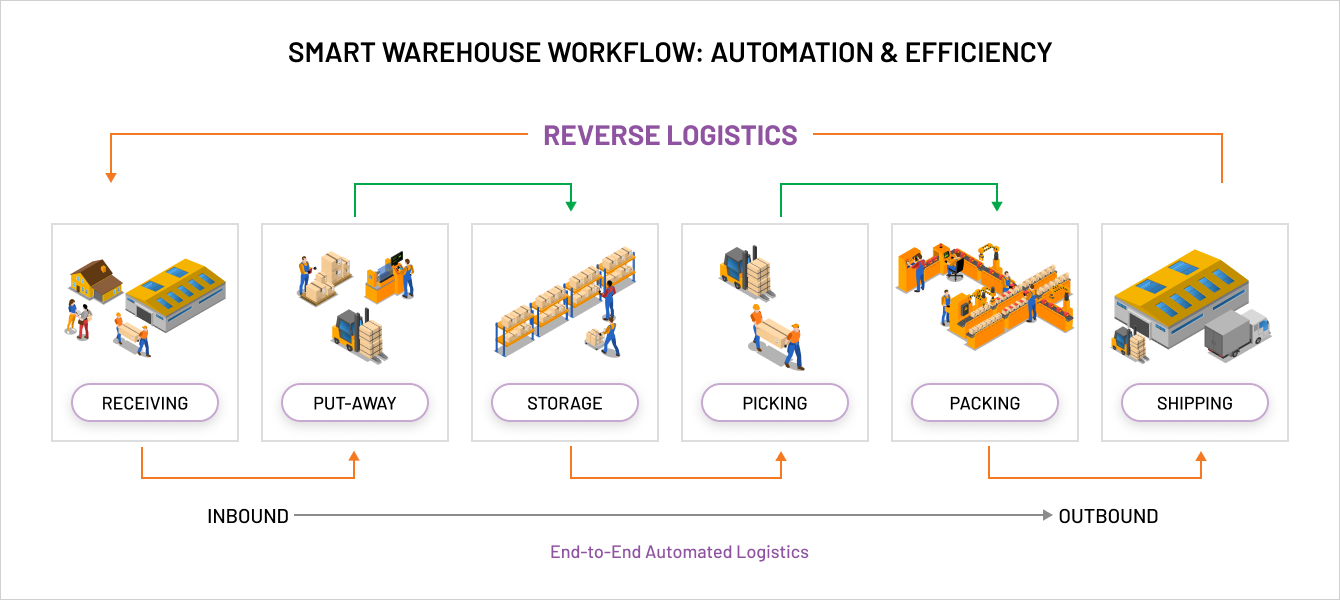
- Receiving marks the entry point where incoming shipments arrive at the warehouse. Modern receiving operations employ barcodes, scanners, RFID tags, and AI-driven inspection tools that cross-check quantity, condition, and timing against digital order records, dramatically reducing errors at the first point of contact.
- Put-away involves the systematic transfer of received items to their designated storage locations. Warehouse Management Systems (WMS) now govern put-away with velocity-based algorithms that strategically position inventory according to turnover rates, seasonal demand patterns, and picking frequency, optimizing both space utilization and retrieval efficiency.
- Storage extends beyond mere warehousing to encompass intelligent space management. As warehouse real estate costs climb, operators are "looking up as opposed to out," deploying Automated Storage and Retrieval Systems (AS/RS) with global market growth from approximately $10 billion in 2025 to around $15 billion by 2030, maximizing cubic space utilization while maintaining rapid access to inventory.
- Picking represents historically the most labour-intensive warehouse activity. Modern approaches range from collaborative robots working alongside human associates to fully automated systems where robots transport goods directly to stationary pickers, eliminating wasteful walking time and dramatically improving productivity.
- Packing demands careful attention to protective packaging. Automated packing systems now incorporate intelligent dimensioning and cartonisation algorithms that select optimal packaging sizes, apply correct labels, and ensure compliance with shipping regulations, reducing material waste while improving speed.
- Shipping concludes the warehouse cycle as finished orders depart for customers. Modern shipping automation integrates real-time tracking tools, digital documentation systems, and automated barcode validation to guarantee correct staging, timely vehicle loading, and comprehensive traceability.
Warehouse Automation Technology Trends Shaping 2025
1. Autonomous Mobile Robots (AMRs) and Automated Guided Vehicles (AGVs)
AMRs and AGVs are leading the charge in disrupting material handling processes. AGVs follow predetermined paths using magnetic strips or laser guidance, offering outstanding reliability for repetitive tasks. AMRs represent a more sophisticated evolution, utilizing advanced sensors and AI to dynamically respond to real-time environmental changes. Industry projections estimate approximately 4.28 million warehouse robots will be deployed globally by 2025, representing substantial growth from earlier adoption levels.
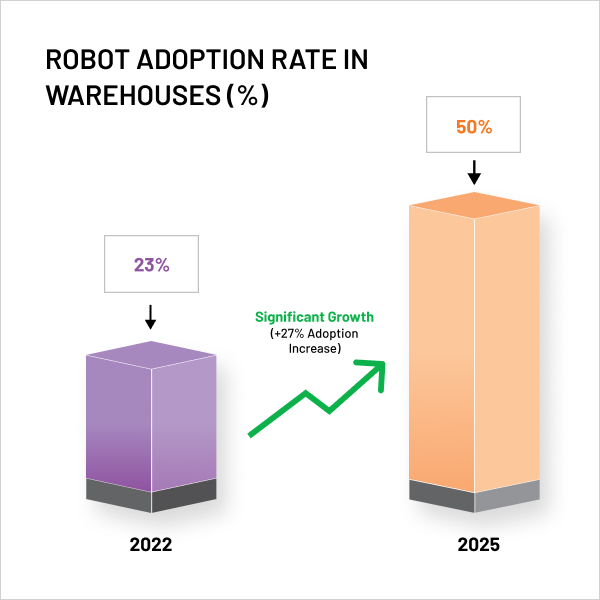
The market trajectory reflects accelerating adoption, with nearly half of surveyed warehouses reporting robot use by 2025, up from 23% in 2022. AMRs deliver particularly compelling value by calculating optimal paths using sophisticated algorithms - if a pallet blocks the way, an AMR instantly finds an alternate route rather than stopping, proving invaluable in dynamic e-commerce environments.
India is witnessing accelerated automation adoption, with AMR deployments growing at over 35% CAGR as major e-commerce and 3PL players implement robotics to overcome chronic labour shortages and reduce fulfilment time.
2. Collaborative Robots in Warehouse Operations
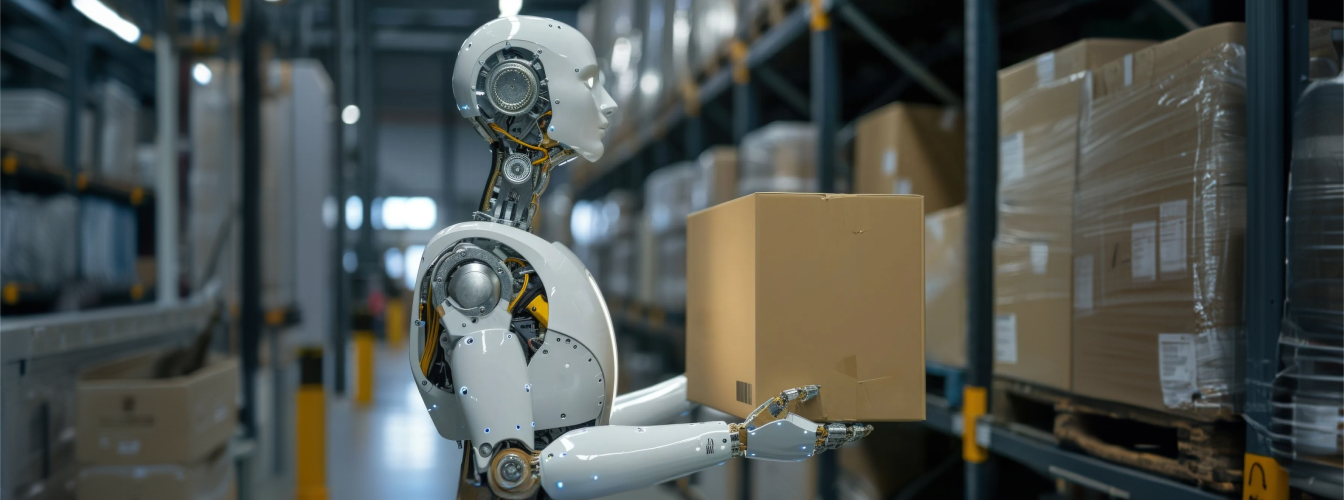
Collaborative robots, or cobots, work safely alongside human workers rather than replacing them. The industry narrative has shifted from fully autonomous “lights-out” warehouses toward human-robot collaboration. These versatile robots assist in various tasks, with humanoid cobots handling delicate or irregularly shaped items while machine learning-enabled versions autonomously perform repetitive tasks after learning from human demonstrations.
Fleet Feet, a major shoe retailer, reported doubling productivity with fewer people after adding collaborative AMRs. The main advantage of mobile cobots is reduced system downtime - they can be rapidly redeployed to different tasks with minimal training and no programming skills required, offering unprecedented operational flexibility.
3. Automated Storage and Retrieval Systems (ASRS) for Advanced Storage and Retrieval
AS/RS systems use automated machinery such as vertical lift modules, shuttle systems, and robotic arms to store and retrieve goods from designated storage locations within a warehouse. They leverage advanced software algorithms to optimise storage density and organise inventory based on demand patterns, to ensure efficient space utilisation and minimising the need for manual intervention.
Additionally, ASRS streamline order fulfilment processes by automating the retrieval of goods, reducing picking times and enhancing overall warehouse productivity. These are especially useful for sectors that deal with perishable products that need utmost supervision. For example, in pharmaceutical warehouses, the ASRS can dynamically organise inventory based on demand patterns and expiration dates, ensuring that products are efficiently rotated to minimise waste and maintain regulatory compliance.
4. Artificial Intelligence and Machine Learning for Predictive Analytics
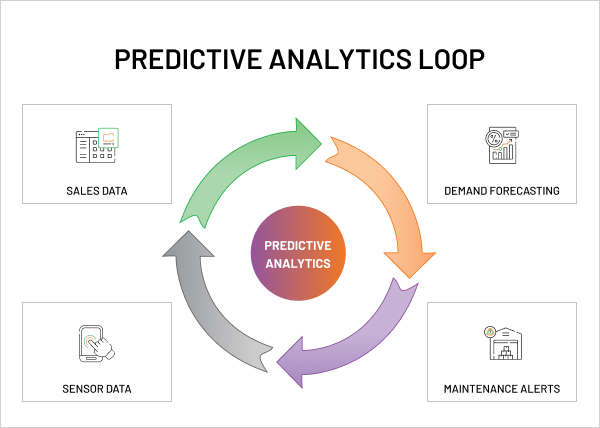
AI and ML technologies enable warehouses to move beyond reactive management toward predictive, data-driven operations. In retail distribution centers, AI-powered algorithms continuously analyze historical sales data, customer purchasing patterns, and market trends to forecast demand with precision, allowing warehouse managers to adjust inventory levels and minimize stockouts and overstock situations.
Beyond demand forecasting, AI-driven predictive maintenance algorithms monitor equipment health by analyzing sensor data to predict potential failures before they occur, allowing maintenance teams to proactively address issues and minimize downtime.
5. Internet-of-Things (IoT) Devices for Real-Time Data Collection
IoT devices such as sensors, RFID tags, and barcode scanners collect data on inventory movements, environmental conditions, and equipment performance, providing warehouse managers with valuable insights into operational efficiency and inventory accuracy.
Walmart is implementing what observers call the first large-scale deployment of ambient IoT in retail, deploying millions of battery-free sensors throughout its U.S. supply chain to provide real-time insights into inventory management across an estimated 90 million pallets. Meanwhile, temperature and humidity sensors monitor environmental conditions to ensure optimal storage conditions are maintained for temperature-sensitive goods.
The global IoT in warehouse management market was estimated at $11.26 billion in 2025 and is projected to reach $17.93 billion by 2030, growing at a CAGR of 8.3%. These devices enable warehouse managers to make informed decisions based on current conditions, support predictive analytics, enhance customer service, and improve regulatory compliance.
6. Blockchain Technology for Supply Chain Transparency
Blockchain technology is revolutionising supply chain management by enhancing transparency, traceability, and security. By creating an immutable ledger of transactions, blockchain ensures transparency and accountability across the entire supply chain, from raw material sourcing to product delivery. Smart contracts embedded within blockchain transactions automate and enforce contractual agreements, streamlining procurement, payment, and logistics processes. Additionally, blockchain-based digital identities and product tracking systems enable end-to-end traceability, reducing the risk of counterfeit products, unauthorised modifications, and supply chain fraud.
A good use case is in the food industry, wherein consumers can scan QR codes on products to access complete supply chain information - harvest dates, farm locations, transportation conditions, and storage details - building trust while enabling rapid issue identification.
7. Cloud-Based Warehouse Management Solutions
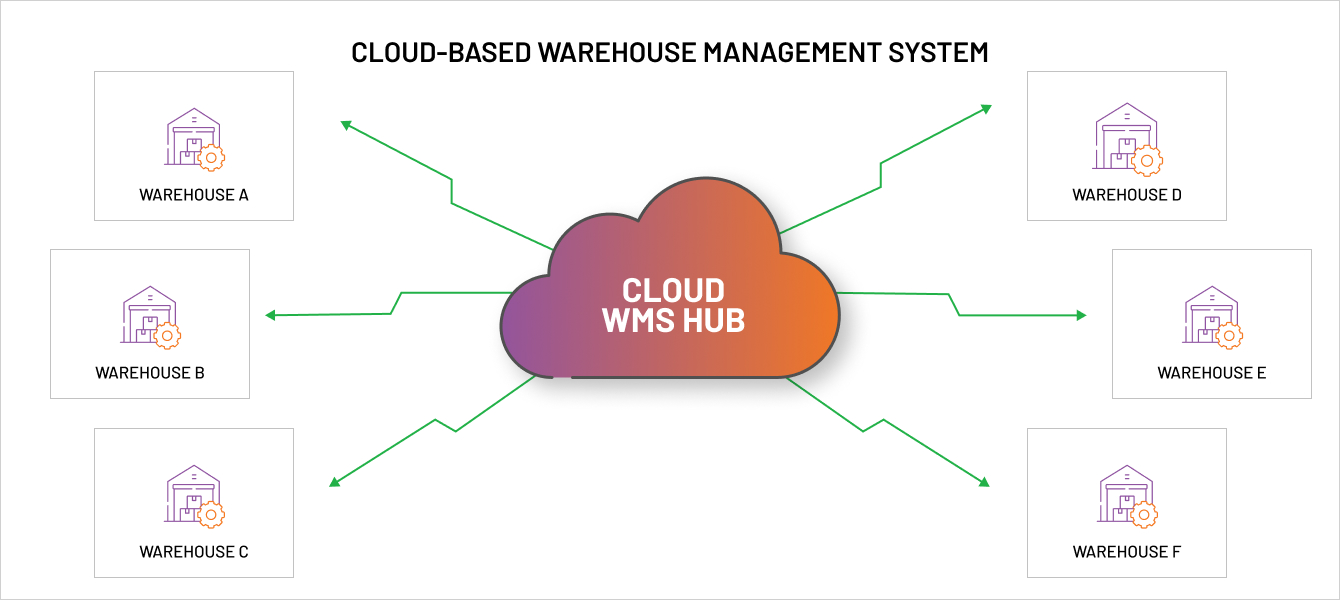
By leveraging cloud computing resources, modern warehouses can easily scale their operations to accommodate fluctuating demand, seasonal peaks, and business expansion. Cloud-based software solutions provide real-time visibility into inventory levels, order status, and warehouse performance, enabling efficient resource allocation and decision-making.
Moreover, cloud-based platforms offer cost-effective subscription-based pricing models, eliminating the need for large upfront investments in hardware and software infrastructure.
8. Advanced Fleet Management for Optimising Logistics Efficiency
Advanced Fleet Management systems play a crucial role in optimising transportation operations, which in turn impact warehouse efficiency. By leveraging GPS technology, telematics devices, and route optimisation algorithms, these systems streamline transportation processes, reduce fuel consumption, and minimise delivery times.
Real-time vehicle tracking and monitoring systems provide fleet managers with up-to-the-minute data on the location and status of each vehicle. This information can be integrated into warehouse operations to improve scheduling for inbound and outbound shipments. By analysing real-time data, warehouse managers can adjust docking schedules based on the estimated arrival times of incoming shipments, ensuring efficient use of warehouse space and resources.
Moreover, predictive maintenance algorithms integrated into the fleet management system allow for proactive maintenance scheduling based on factors such as mileage and historical performance data. This proactive approach helps prevent unexpected vehicle breakdowns, ensuring smooth transportation operations and minimising disruptions to warehouse activities.
9. Warehouse Digital Twin
A warehouse digital twin is a sophisticated virtual model that replicates the physical warehouse environment along with the associated inventory data. The digital twin integrates data from various sources, including artificial intelligence, machine learning, sensors, scanning cameras, computer vision, automation systems, and other technologies, to create a comprehensive and interactive digital representation of the warehouse. This digital model enables warehouse managers to monitor operations, analyze data, predict outcomes, and make informed decisions to optimize processes, improve efficiency, and reduce costs.
10. Warehouse Management Systems as Operational Orchestrators
A robust WMS provides real-time stock levels, locations, and movements, enabling warehouse managers to track inventory continuously. This visibility helps reduce overstocking, understocking, and shrinkage, leading to better demand planning and replenishment. Modern WMS platforms and solutions like StorTRACK incorporate velocity-based slotting algorithms, wave planning tools, labour management modules, and machine learning that continuously optimizes operational parameters based on performance data and real-time conditions.
Sustainability Emphasis:
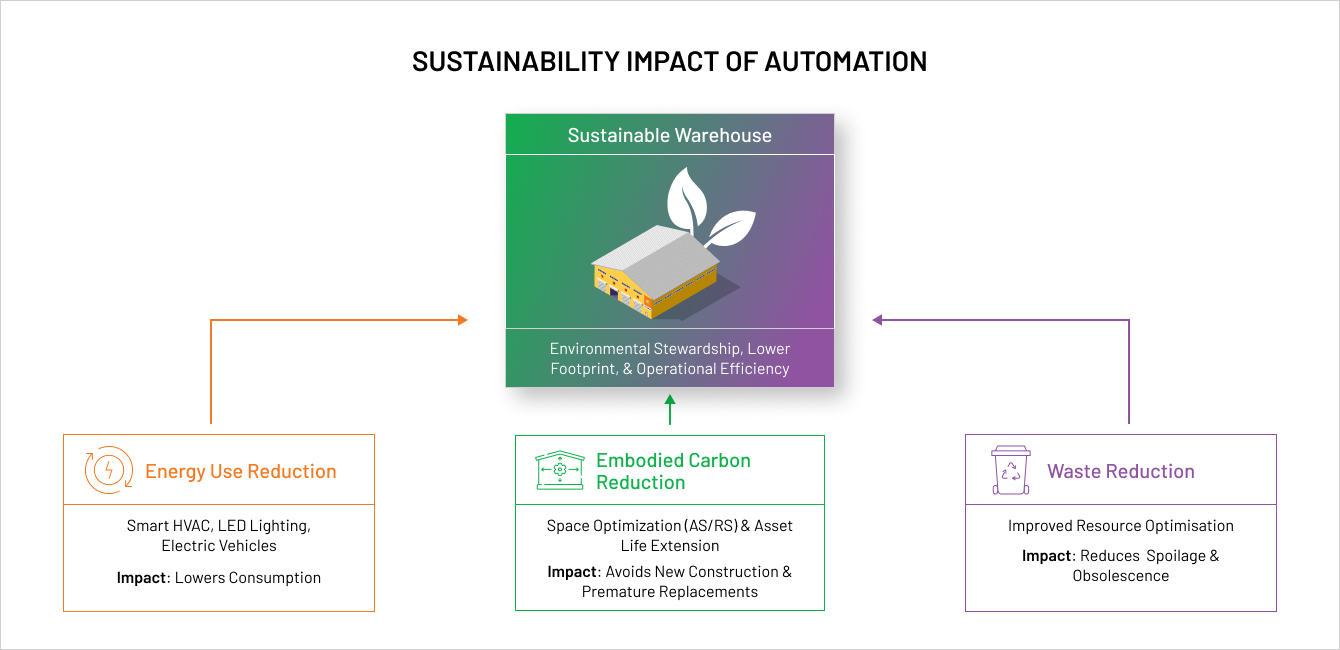
Warehouses are increasingly deploying green technologies to meet rising regulatory pressures, corporate ESG commitments, and cost-efficiency goals. Solar photovoltaic installations, energy-efficient LED lighting, motion-sensor systems, electric forklifts, and alternative fuel vehicles are becoming standard features in modern facilities. Advanced HVAC automation and smart climate-control systems further reduce energy consumption by dynamically adjusting temperature settings based on occupancy, equipment heat output, and environmental conditions.
Automation enhances sustainability outcomes by improving inventory accuracy and reducing overproduction, spoilage, and obsolescence - directly lowering material waste. High-density AS/RS systems and optimized slotting algorithms maximize vertical and cubic space utilization, allowing operators to scale throughput within existing footprints rather than expanding into new land parcels or constructing additional buildings. This reduces embodied carbon and prolongs asset life cycles. Additionally, predictive maintenance powered by AI and IoT extends equipment lifespan and avoids premature replacement, supporting circularity goals. Together, these technologies position automated warehouses as critical enablers of long-term environmental stewardship and operational efficiency.
The Transformative Benefits of Warehouse Automation

Enhanced Resource Utilization and Operational Efficiency
Automated systems operate with minimal waste, ensuring resources like power, fuel, and space are used efficiently. Vertical storage systems and high-density AS/RS maximize cubic capacity, allowing warehouses to store more inventory within existing footprints. Labour productivity improves as workers focus on activities requiring judgment and problem-solving rather than walking between locations or performing manual counts.
Substantial Reduction in Operational Costs
Warehouse automation reduces operational costs across multiple categories - labour expenses decline, error-related costs diminish, energy consumption decreases, and maintenance costs become more predictable. AMRs deliver payback in under 24 months while cutting five-year operating costs by approximately 40%, with even capital-intensive AS/RS systems typically achieving payback within three to five years.
Energy Management and Sustainability
Automation enables effective real-time energy management, reducing operational costs and carbon footprints. Automated dimensioning systems reduce packaging waste, optimized routing minimizes energy consumption, and improved inventory accuracy reduces product obsolescence. Many warehouses now install solar panels, use electric vehicles, and design facilities to LEED standards, with automation providing the data visibility and process control needed to measure and reduce environmental impact systematically.
Enhanced Supply Chain Visibility and Control
IoT technology enables unprecedented visibility across supply chain operations, providing real-time tracking of materials, optimized inventory levels, and predictive equipment maintenance. Traditional warehouses operated with periodic snapshots; modern automated warehouses provide continuous, real-time operational data enabling immediate response to emerging issues - picking bottlenecks detected within minutes, inventory discrepancies identified and resolved immediately.
Dramatically Improved Quality Control and Productivity
Real-time monitoring through IoT sensors and computer vision enables immediate detection of quality deviations. Automation improves quality through consistency - automated systems execute processes identically every time, eliminating human variability. Productivity gains manifest across all processes, with operations like Fleet Feet doubling productivity with fewer employees after implementing collaborative automation.
Navigating Implementation Challenges
Managing High Upfront Capital Investment
Implementing automation requires significant capital encompassing equipment acquisition, facility modifications, infrastructure upgrades, system integration, and staff training. However, Robotics-as-a-Service (RaaS) models are mitigating this challenge by converting capital outlays into usage-based fees. ABI Research predicts over 1.3 million RaaS deployments by 2026 worldwide. Modular automation approaches allow incremental implementation, building expertise while generating cash flow to fund subsequent phases.
Overcoming Integration Complexity
Ensuring automated systems integrate seamlessly with existing warehouse management software demands meticulous planning. Successful integration requires comprehensive documentation of existing systems, clear definition of data exchange requirements, and realistic timeline assessments. Phased implementation approaches reduce risk by validating system interactions incrementally, while comprehensive testing protocols identify integration issues in controlled environments.
Addressing Specialized Skills Requirements
Workers with technical skills are needed to operate, maintain, and repair automated systems. Progressive warehouse operators address this through comprehensive training programs, partnerships with technical schools, and competitive compensation packages. Technology vendors increasingly offer intuitive interfaces, self-diagnostic capabilities, and remote support features that reduce expertise required for routine operation.
Managing Technology Obsolescence and Operational Disruption
Mitigating obsolescence risk requires strategic technology selection emphasizing open standards, vendor stability, and architectural flexibility. Modular architectures enable selective upgrades without wholesale replacements. During implementation, phased rollout strategies compartmentalize changes to specific zones while maintaining continuity elsewhere. Running parallel operations temporarily provides safety nets while teams build confidence with new technologies.
Real-World Applications Across Industries
Amazon
Has integrated over 750,000 mobile robots into its fulfilment centers globally, with average deliveries per employee rising from 175 in 2015 to nearly 3,870 recently. Their approach combines mobile robots, robotic arms, computer vision systems, and advanced AI algorithms, demonstrating how diverse technologies work synergistically.

DHL
Has implemented smart warehousing solutions including automated sorting systems and robotic picking arms to reduce processing times and improve inventory visibility. Their standardization strategy enables rapid expertise accumulation and consistent service quality across geographies.

Walmart
Has invested in AS/RS and robotic palletizers across distribution centers, recently deploying millions of ambient IoT sensors throughout their U.S. supply chain to dramatically improve supply chain efficiency and inventory accuracy across an estimated 90 million pallets.

Zara
Uses data-driven warehouse layouts and real-time inventory tracking to quickly respond to fashion trends. Automated sorting systems enable their Spanish distribution centers to process enormous volumes with remarkable velocity, receiving items, sorting by destination, and dispatching within hours.

Ocado
Operates highly automated warehouses with sophisticated robotic picking systems and AI, picking and packing thousands of grocery items quickly and accurately. Their grid-based storage systems feature swarms of robots traveling atop grids to retrieve bins and deliver them to picking stations, with algorithms optimizing bin placement based on order patterns.

Grade A Industrial Infrastructure: Foundation for Automation Success
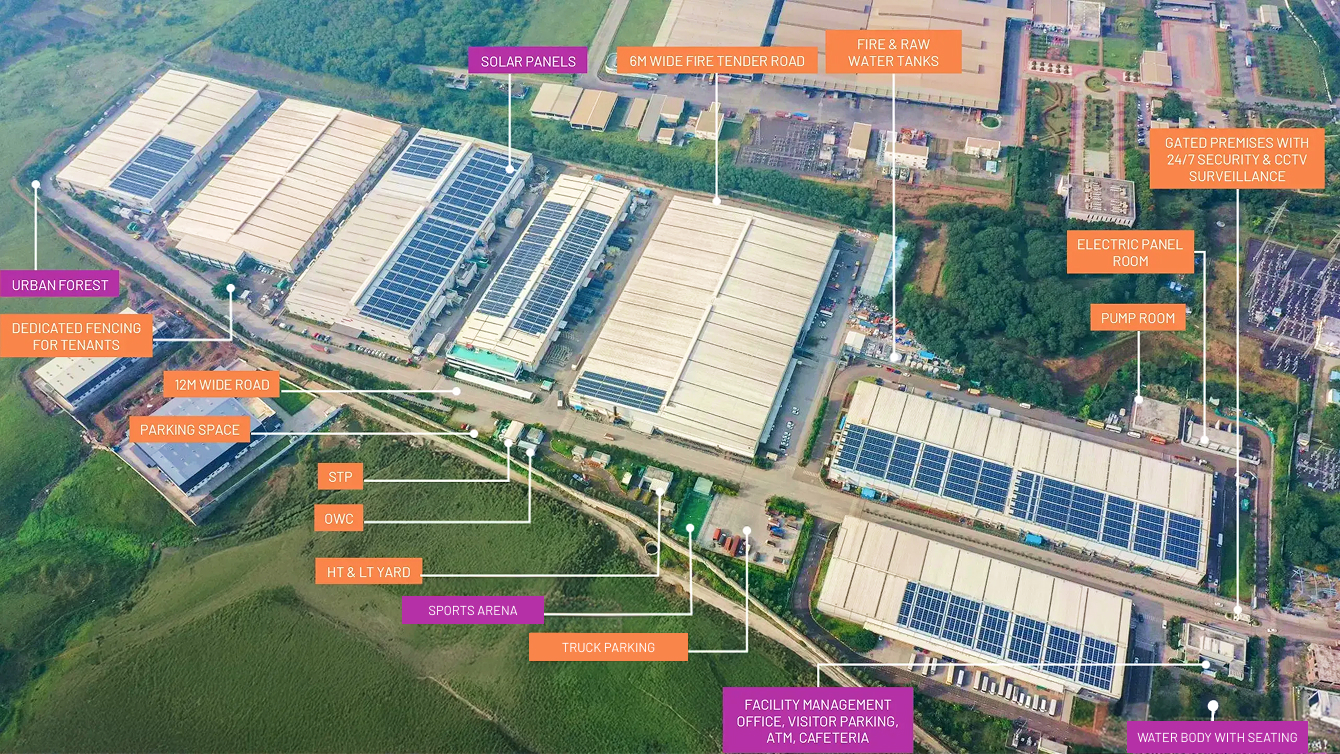
Successful automation deployment requires purpose-built infrastructure designed to support next-generation systems. Grade A facilities offered by developers like Horizon Industrial Parks feature clear heights exceeding 12 meters, FM2-compliant floors with 5-7 tonnes per square meter load-bearing capacity, wide truck aprons, and robust power infrastructure with strong network connectivity. Advanced facilities increasingly incorporate sustainability features including rainwater harvesting, EV-charging infrastructure, and efficient drainage systems.
We at Horizon Industrial Parks exemplify this integrated approach, with all facilities designed with automation readiness at the core. Horizon's sustainability interventions ensure that automation readiness is matched with long-term environmental performance, recognizing that technology capabilities ultimately depend on the physical environment in which they operate.
Conclusion: Embracing the Future of Intelligent Warehousing
Warehouse automation has evolved from a forward-looking concept to an operational imperative. The convergence of robotics, artificial intelligence, IoT sensing, and advanced analytics is creating operations that are smarter, faster, more accurate, and increasingly sustainable. As logistics sectors mature globally and e-commerce penetration deepens, automation-ready Grade A facilities will define the competitive landscape for the next decade.
The journey requires vision, investment, and commitment to continuous improvement. It demands purpose-built infrastructure, leadership embracing operational transformation, and workforces trained to collaborate with automated systems. Organizations that delay automation adoption face escalating labour costs, persistent accuracy challenges, limited scalability, and diminishing competitiveness.
Forward-thinking organizations recognize that warehouse automation delivers benefits extending beyond operational efficiency. It creates supply chain resilience, enables customer service excellence, supports sustainability commitments, and generates strategic optionality through flexible, scalable operations adapting rapidly to evolving demands.
Institutional developers like Horizon Industrial Parks, automation is embedded into development strategy from inception, with each facility built to support next-generation technologies. The commitment to sustainable practices demonstrates that operational excellence and environmental stewardship reinforce each other, creating long-term value through reduced operating costs, sustainability compliance, and regulatory adherence.
For warehouse operators and supply chain leaders, the imperative is clear: begin preparing for transformation today. This preparation encompasses assessing current operations, developing business cases, engaging technology vendors, investing in workforce development, and selecting facilities with infrastructure supporting advanced technologies.
The transformation journey requires partnership between warehouse operators and technology providers, business leaders and frontline workers, industrial developers and tenants. By working collaboratively toward shared visions of intelligent, efficient, sustainable warehousing operations, the industry can create supply chain capabilities serving growing economies, satisfying demanding consumers, and building prosperous futures for all stakeholders. The future of warehousing is here, powered by automation, guided by intelligence, and built on foundations that make excellence inevitable.
References