



Grade A Warehouses in India The Definitive Guide
Introduction
Over the past decade, India's warehousing sector has undergone a structural transformation, evolving from fragmented, asset-light storage facilities into institutional-grade infrastructure aligned with global benchmarks. This transition has been driven by the rapid growth of e-commerce, GST-led supply chain consolidation, manufacturing expansion under Make in India and PLI schemes, and increasing integration with global trade flows.
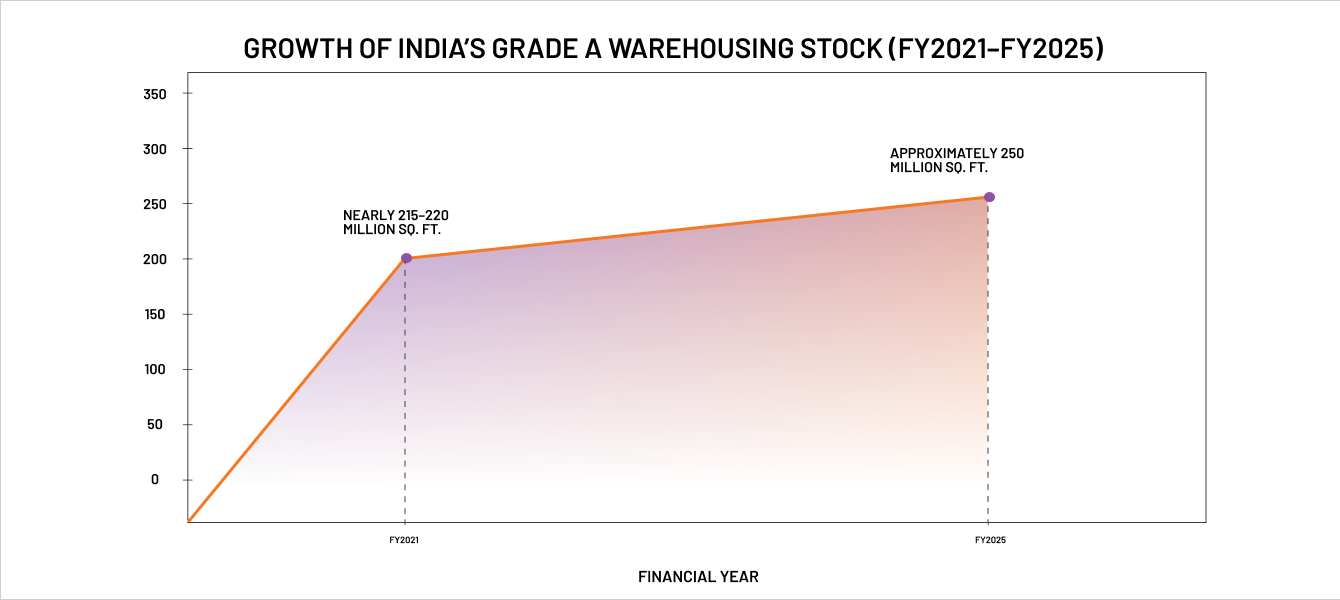
By end of FY2025, India's Grade A warehousing stock has crossed approximately 250 million square feet, up from nearly 215–220 million square feet in FY2021, the first fiscal post-COVID. The market has shown a clear preference for modern, compliant facilities that enable higher throughput, operational resilience, sustainability, and automation readiness. This guidebook explains what defines Grade A warehouses, why they matter operationally and economically, and how they should be designed, evaluated, and deployed.
I. Defining Grade A Warehousing
Grade A warehouses represent the highest quality tier of industrial and logistics infrastructure in India. While there is no single statutory definition, Grade A facilities are consistently characterised by superior structural design, high-performance flooring, advanced fire and safety systems, efficient yard and dock layouts, and compliance with national and international standards referenced by WAI, BIS, NBC, and global best practices.
What distinguishes Grade A infrastructure is not merely compliance, but its ability to support modern logistics operations over a 20–30 year lifecycle without functional obsolescence. These facilities are designed for scalability, automation, sustainability, and workforce efficiency, enabling occupiers to reduce total logistics costs rather than only headline rental costs.
II. Regulatory, Compliance and Risk Management Framework
1. Regulatory Context for Warehousing in India
Warehousing infrastructure in India operates within a complex regulatory environment that spans central legislation, state-level regulations, municipal approvals, and sector-specific compliance requirements. While warehousing is not governed by a single omnibus law, Grade A industrial parks are expected to demonstrate high levels of compliance, including the National Building Code (NBC), Bureau of Indian Standards (BIS), fire safety regulations, labour laws, and environmental norms.
Grade A warehousing differentiates itself not merely by meeting minimum statutory requirements, but by embedding compliance into design and operations from inception. This proactive approach significantly reduces regulatory risk, project delays, and operational disruptions over the asset lifecycle.
GRADE A COMPLIANT vs. GRADE B/C NON-COMPLIANT WAREHOUSES
| GRADE A COMPLIANT | GRADE B/C NON-COMPLIANT | |
|---|---|---|
| DESIGN & CONSTRUCTION |  BUILT FOR PERFORMANCE FROM INCEPTION |  NARROW FOCUS ON COST MINIMIZATION |
| RISK & COMPLIANCE |  REDUCED REGULATORY RISK & DISRUPTIONS |  ELEVATED BUSINESS INTERRUPTION RISK & PENALTIES |
| OPERATIONAL EFFICIENCY |  SUPERIOR FLOORING, OPTIMIZED LAYOUT, HIGH THROUGHPUT |  LIMITED HEIGHT, MANUAL OPERATIONS, LOWER THROUGHPUT |
| LONG-TERM VALUE |  SUSTAINED VALUATION PREMIUMS, STRONG TENANT RETENTION |  ACCELERATED OBSOLESCENCE, VALUE EROSION |
2. National Building Code and Structural Compliance
The National Building Code of India (NBC 2016) classifies warehouses under Group H (Storage and Warehousing Occupancy). Compliance with NBC provisions is fundamental to ensuring structural safety, fire protection, lighting, ventilation, and life safety. Grade A industrial parks and warehouses are designed in alignment with NBC requirements including structural design, fire and life safety, and building services.
Adherence to NBC standards ensures that warehouse can withstand operational loads, environmental stresses, and emergency scenarios. From an investor and insurer perspective, NBC compliance provides assurance regarding asset resilience and long-term viability.
3. Fire Safety, Insurance and Business Interruption Risk
GRADE A COMPLIANT WAREHOUSE VS. NON-COMPLIANT WAREHOUSE: INSURANCE BENEFITS & RISKS
| GRADE A COMPLIANT WAREHOUSE | NON-COMPLIANT WAREHOUSE | |
|---|---|---|
| INSURANCE COSTS |  LOWER INSURANCE COSTS |  HIGHER PREMIUMS |
| COVERAGE & CLAIMS |  FEWER EXCLUSIONS & FAST CLAIMS |  COVERAGE EXCLUSIONS, SLOW OR DENIED CLAIMS |
| BUSINESS RISK |  REDUCED BUSINESS INTERRUPTION |  ELEVATED BUSINESS INTERRUPTION |
Fire safety is one of the most critical risk dimensions in warehousing. Grade A industrial parks incorporate fire detection, alarm, suppression, and evacuation systems designed in accordance with NBC Part 4 and relevant BIS standards. These systems are engineered based on hazard classification, commodity type, and storage configuration.
Insurance providers increasingly scrutinise fire safety compliance when underwriting warehousing assets. Facilities that fall short of prescribed standards face higher premiums, exclusions, or difficulty in obtaining coverage. Conversely, Grade A warehouses benefit from lower insurance costs, faster claims settlement, and reduced business interruption risk.
4. Labour, Occupational Safety and Statutory Compliance
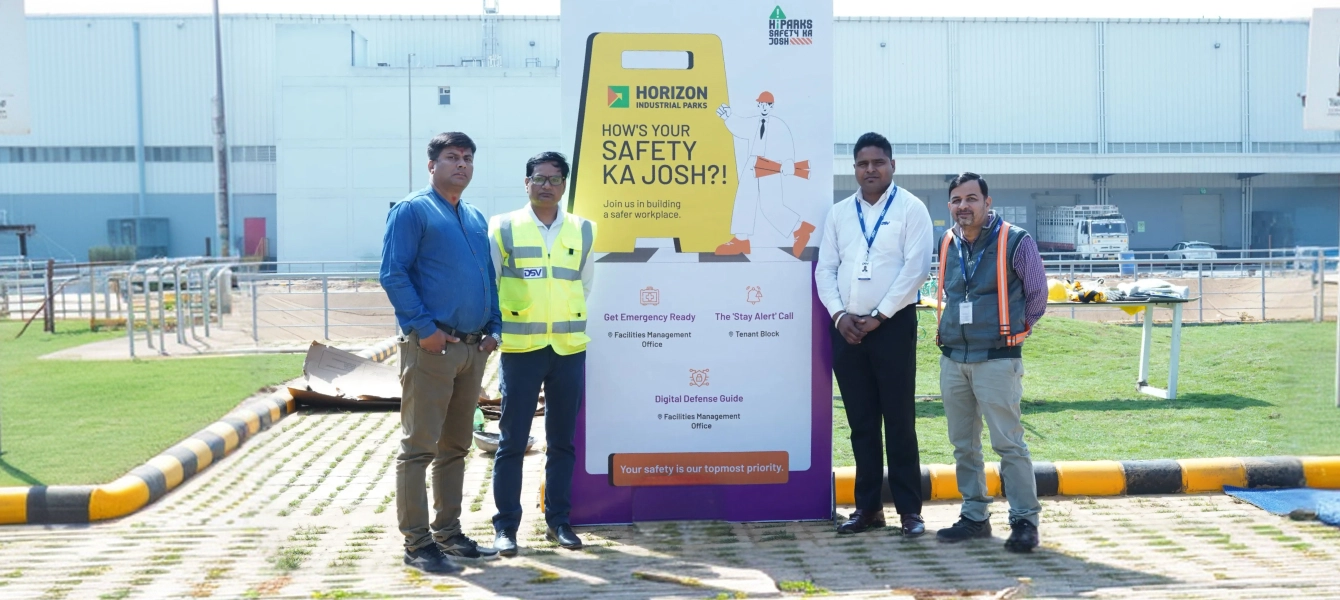
Safety Week - Horizon Industrial Parks
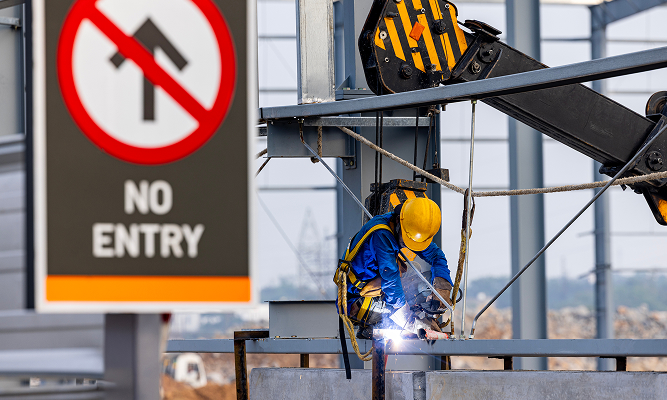
Warehousing operations employ large workforces, making labour compliance and occupational safety central to sustainable logistics parks operations. Grade A facilities align with occupational health and safety frameworks such as ISO 45001 and incorporate best practices for worker training, signage, emergency preparedness, and incident reporting.
Compliance with labour laws, including working conditions, welfare facilities, and contractor management, reduces legal exposure and enhances workforce stability. These considerations, while sometimes overlooked in lower-grade facilities, have direct implications for productivity, attrition, and reputational risk.
5. Environmental Regulations and Compliance
Environmental compliance is increasingly integral to warehouse development and operations. Grade A facilities incorporate measures to comply with environmental impact assessment requirements, pollution control norms, and waste management regulations. On-site sewage treatment plants, stormwater management systems, and air quality controls are designed to meet regulatory expectations while supporting sustainability goals.
Proactive environmental compliance reduces approval timelines, minimises community opposition, and positions assets favourably in markets where ESG considerations influence occupier and investor decisions.
6. Asset Lifecycle and Maintainability
Grade A warehouses and industrial facilities are designed with a long-term perspective, considering not only initial construction costs but also operational expenditure, maintenance, and adaptability. Ease of access for maintenance, availability of spare parts, and durability of materials significantly influence lifecycle costs.
Warehouse developers focus on preventive maintenance strategies, asset monitoring, and continuous improvement to preserve asset quality over decades. This approach protects investor value and ensures consistent performance for occupiers.
7. Risk Management and Business Continuity
Warehousing and industrial assets are critical nodes in supply chains, and any disruption can have cascading effects. Grade A facilities incorporate risk mitigation measures such as fire compartmentalisation, redundant utilities, disaster preparedness plans, and emergency response protocols.
Business continuity planning is increasingly integrated into warehouse and factory design and operations, ensuring rapid recovery from unforeseen events and minimising downtime.
III. Site Selection and Location Strategy
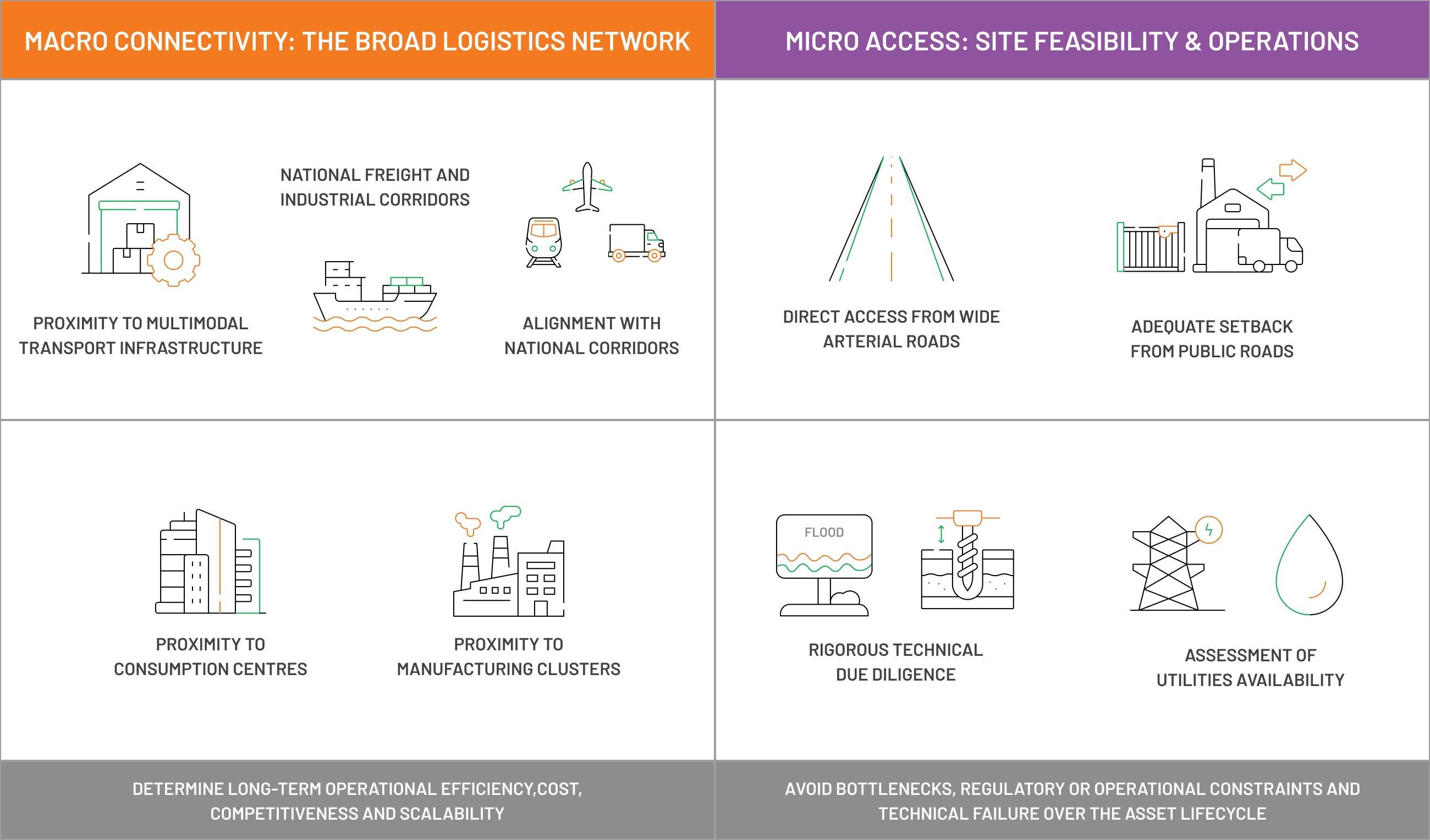
The success of a Grade A warehouse begins well before design and construction. Site selection plays a decisive role in determining long-term operational efficiency, cost competitiveness, and scalability. Modern warehousing strategy prioritises proximity to consumption centres, manufacturing clusters, and multimodal transport infrastructure such as highways, railheads, ports, and airports. Locations aligned with national freight corridors, industrial corridors, and designated logistics hubs offer inherent advantages in terms of connectivity and future infrastructure upgrades.
In addition to macro connectivity, micro-level access is critical. Grade A industrial parks must provide direct access from wide arterial roads capable of handling heavy truck traffic without bottlenecks. Adequate setback from public roads, queueing space within the site, and zoning compatibility are essential to avoid regulatory or operational constraints over the asset lifecycle. Flood risk, soil bearing capacity, and availability of utilities such as power, water, and data connectivity must be assessed rigorously at the due diligence stage.
Grade A Warehouse Site Selection Strategy
IV. ESG and Sustainability: From Compliance to Value Creation
1. ESG as a Strategic Imperative
Environmental, Social, and Governance (ESG) considerations have transitioned from peripheral concerns to central decision-making criteria for warehouse developers, occupiers, and investors. In warehousing, ESG performance is increasingly viewed as a proxy for asset quality, risk management, and long-term value creation.
The WAI e-Handbook emphasises sustainability through references to energy efficiency, environmental management systems, and alignment with frameworks such as ISO 14001, ISO 50001, IGBC, and LEED. Grade A warehouses operationalise these principles at scale.




2. Environmental Stewardship in Grade A Warehousing
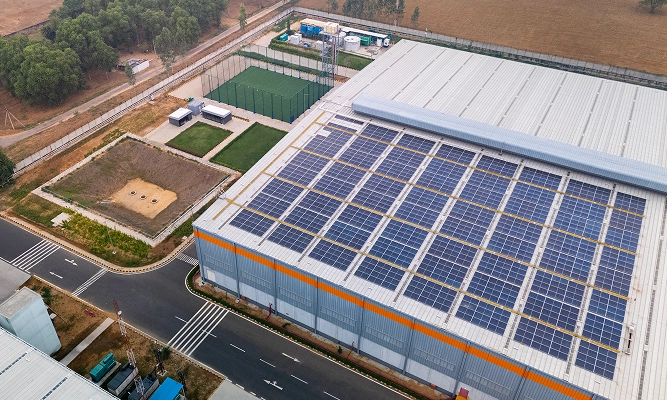
Horizon Industrial Park - Farukhnagar I
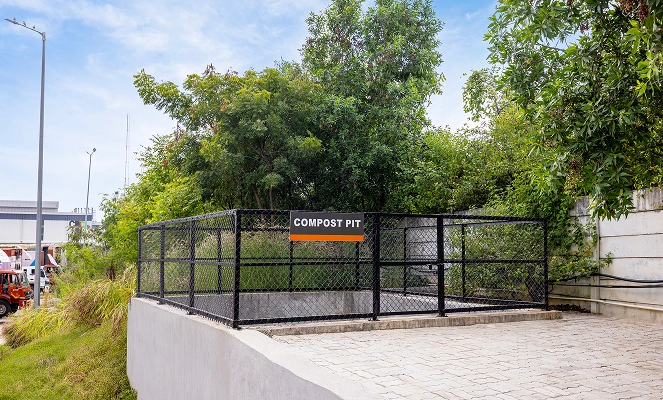
Horizon Industrial Park - Patancheru

Horizon Industrial Park - Kothur

Horizon Industrial Park - Chakan II
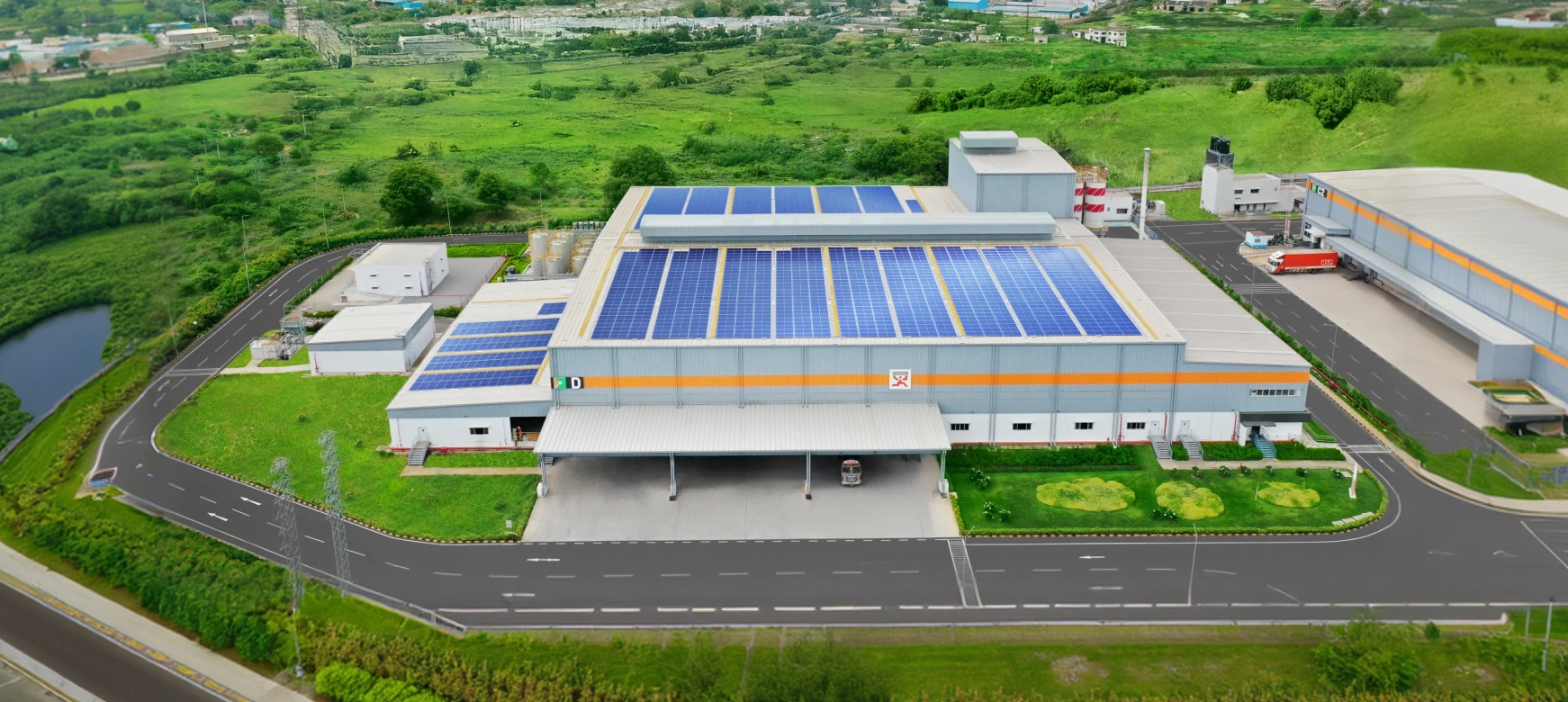
Energy efficiency is a cornerstone of sustainable logistics parks. Grade A facilities deploy LED lighting, daylight integration, high-SRI roofing, and energy-efficient equipment to minimise consumption. Rooftop solar installations have become standard in institutional logistics parks, enabling partial energy self-sufficiency and reducing carbon footprints.
Water stewardship is equally critical. Rainwater harvesting, low-flow fixtures, and on-site sewage treatment plants reduce dependence on municipal supply and ensure regulatory compliance. Treated water reuse for landscaping and flushing significantly lowers freshwater demand.
Waste management practices, including segregation, recycling, and reduction of packaging waste, further enhance environmental performance. These measures align with both regulatory expectations and corporate sustainability commitments.
3. Social Responsibility and Workforce Wellbeing

Horizon Industrial Park - Chakan II
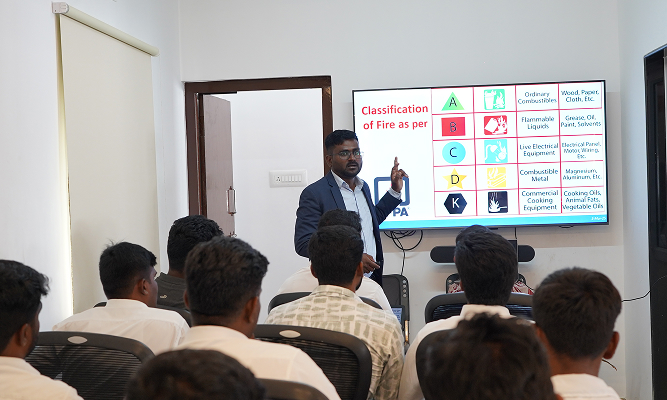
Horizon Industrial Park - Hosur
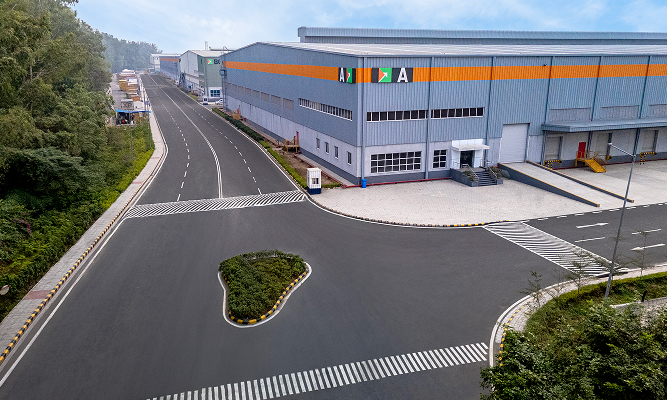
Horizon Industrial Park - Farukhnagar I
Horizon Industrial Park - Kothur
Warehousing is labour-intensive, and social factors play a decisive role in operational outcomes. Grade A facilities prioritise occupational safety, ergonomic design, adequate lighting, ventilation, and welfare amenities. Clear signage, defined pedestrian pathways, and safety training reduce accident rates and improve workforce morale.
By creating cleaner, safer, and more comfortable working environments, Grade A warehouses enhance labour retention and productivity — an increasingly important consideration amid tightening labour markets.
4. Governance, Transparency, and Reporting
Institutional-grade warehousing assets are typically governed by structured policies, audits, and performance monitoring systems. Compliance with national standards, regular safety audits, and transparent reporting frameworks reduce governance risk.
For investors, strong ESG governance improves asset liquidity, lowers capital costs, and aligns portfolios with global investment mandates. For occupiers, it supports brand reputation and regulatory confidence.
V. Network Design, Location Strategy and Regional Integration

1. Warehousing as a Network Asset
Warehouses do not operate in isolation: they function as nodes within broader supply chain networks. Grade A industrial park and warehousing strategy therefore extends beyond individual facilities to encompass network design, location optimisation, and regional integration.
Efficient network design balances proximity to consumption centres with access to transport infrastructure. Hub-and-spoke models, regional distribution centres, and last-mile warehousing and fulfilment centers each impose distinct requirements on warehouse design and location. Grade A facilities are typically positioned at strategic intersections of highways, industrial corridors, and logistics clusters to maximise network efficiency.
2. Role of National Infrastructure Initiatives
Government-led infrastructure initiatives such as the PM Gati Shakti National Master Plan, dedicated freight corridors, expressway development, and port modernisation have reshaped warehousing location dynamics. A Grade A logistics park aligned with these corridors stands to benefit from improved connectivity, reduced transit times, and enhanced reliability.
By anticipating infrastructure upgrades and aligning site selection accordingly, industrial park developers in India create assets that appreciate in strategic value over time.
3. Tier 2 and Tier 3 Cities: The Next Frontier
While Tier 1 cities remain dominant logistics hubs, rising land costs, congestion, and labour constraints are accelerating the shift toward Tier 2 and Tier 3 markets. Grade A warehousing in these regions enables decentralised distribution, faster service levels, and cost optimisation. Beyond operational efficiency, Grade A warehouses act as catalysts for regional economic development. They attract ancillary industries, generate employment, and stimulate improvements in local infrastructure. The presence of institutional-grade logistics parks often leads to the development of supporting social infrastructure such as housing, healthcare, and retail facilities.
By formalising logistics operations and improving supply chain efficiency in Tier 2 and Tier 3 cities, Grade A warehousing contributes to national objectives of reducing logistics costs, enhancing export competitiveness, and supporting sustainable economic growth.
VI. Core Physical Infrastructure Standards
1. Structural Design and Vertical Optimisation
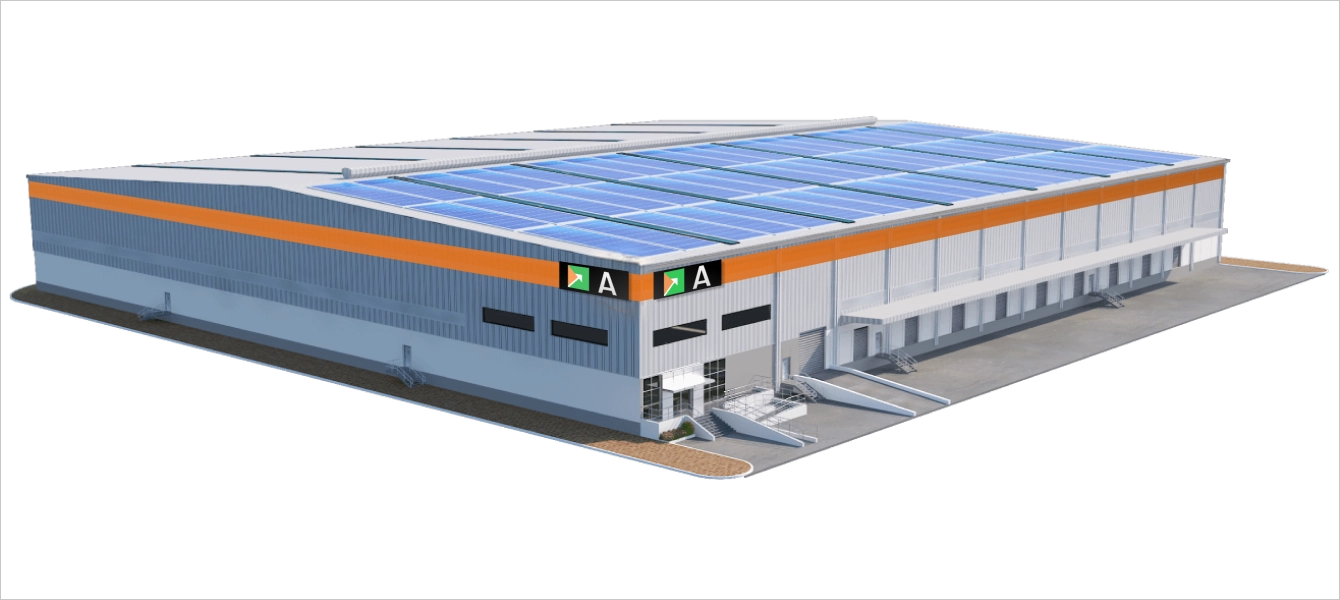
Clear internal height is one of the most critical determinants of warehouse efficiency. A minimum clear height of 12 metres enables advanced racking systems, very narrow aisle (VNA) operations, mezzanine floors, and automated warehousing storage and retrieval systems (ASRS). Vertical optimisation increases volumetric utilisation significantly, allowing businesses to store more inventory within the same land footprint while maintaining safe and efficient material movement.
Higher clear heights also future-proof assets by allowing occupiers to transition from manual to semi-automated or fully automated systems as volumes grow and labour economics change.
| PARAMETER | GRADE A BENCHMARK |
|---|---|
| Minimum clear height | ≥ 12 metres |
| Structural system | Pre-engineered steel building (PEB) |
| Column spacing | Optimised for racking & automation |
| Mezzanine compatibility | Yes |
2. Flooring Systems
Warehouse flooring is the single most irreversible design element of a facility. Unlike equipment or racking, floors cannot be economically upgraded once operations commence. Flooring quality directly affects material handling equipment performance, racking stability, automation accuracy, and long-term maintenance costs.
Grade A flooring supports continuous high-frequency forklift movement, high bay racking, and automation systems without surface degradation, joint failure, or dust generation. Poor flooring leads to equipment downtime, safety risks, and hidden operational costs over the asset lifecycle.
| PARAMETER | GRADE A BENCHMARK |
|---|---|
| Floor flatness | FM2 compliant or better |
| Load capacity | Designed for racking + MHE loads |
| Joint system | Armoured joints with load transfer |
| Surface treatment | Dust-free, abrasion-resistant |
3. Docking, Yard and Circulation Design
Efficient yard planning and dock design are essential for throughput optimisation. Grade A facilities minimise truck waiting time, eliminate congestion, and allow simultaneous inbound and outbound operations. Proper circulation planning improves safety and reduces turnaround time, particularly during peak demand cycles.
Dock design aligned with palletisation standards enables seamless mechanised loading and unloading, reduces manual handling, and improves cargo integrity.
| PARAMETER | GRADE A BENCHMARK |
|---|---|
| Dock type | Dock levellers with shelters |
| Truck apron depth | ~16–17 metres (concrete) |
| Internal roads | ≥ 12 metres wide |
| Turning radius | Designed for articulated vehicles |
4. Building Envelope and Wall Systems
The building envelope of a Grade A warehouse must balance durability, thermal performance, fire safety, and operational flexibility. Wall systems typically incorporate pre-cast concrete panels up to a 4-6 meters height as per National Building Code (NBC) guidelines and warehouse safety standards, providing robustness, impact resistance, and fire separation. This height typically corresponds to the zone of maximum mechanical impact from forklifts, pallet trucks, and racking systems. Above this height, insulated metal cladding systems (typically PUF/PIR insulated panels with minimum 50mm thickness) are commonly used to reduce structural dead load and improve thermal efficiency.
A well-designed envelope reduces heat ingress, minimises energy consumption, and improves internal working conditions. Proper detailing around joints, dock openings, and service penetrations is essential to prevent water ingress and long-term maintenance issues. The choice of materials should also consider lifecycle performance and ease of repair.
| PARAMETER | GRADE A BENCHMARK |
|---|---|
| Lower wall system | Pre-cast concrete panels up to 4-6m height |
| Upper wall system | Insulated metal cladding (PUF/PIR panels) |
| Insulation thickness | Minimum 50mm |
| Fire resistance | As per NBC Part 4 requirements |
| Thermal performance | High-SRI materials, U-value optimized |
5. Roofing Systems and Environmental Performance
Roofing design has a significant influence on thermal comfort, energy efficiency, and sustainability outcomes. Grade A warehouses adopt roofing systems that incorporate adequate insulation, high solar reflective index (SRI) materials, and robust waterproofing.
Daylighting through skylights is being increasingly adopted to reduce dependence on artificial lighting during daytime operations. When combined with LED lighting and smart controls, this can significantly reduce energy consumption. Roof structures must also be designed to accommodate rooftop solar installations, which have become a standard feature in institutional-grade logistics parks.
| PARAMETER | GRADE A BENCHMARK |
|---|---|
| Solar Reflective Index | High-SRI coating (≥78 for cool roofs) |
| Waterproofing | Multi-layer membrane system |
| Daylighting | Skylights with UV protection (3-5% roof area) |
| Solar readiness | Structural capacity for rooftop solar |
6. Ventilation and Thermal Comfort
Warehouses and factories are high-occupancy environments where thermal comfort directly affects productivity and safety. Natural ventilation strategies, including ridge vents, louvers, and roof monitors, are widely used to achieve adequate air changes per hour as prescribed by national codes. In facilities handling heat-generating operations or sensitive products, mechanical ventilation or hybrid systems may be deployed.
Effective ventilation reduces heat buildup, improves air quality, and lowers reliance on active cooling systems. This is particularly important in India's climatic conditions, where ambient temperatures can significantly affect indoor working environments.
| PARAMETER | GRADE A BENCHMARK |
|---|---|
| Air changes per hour (ACH) | 6-10 ACH (natural ventilation) |
| Ventilation system | Ridge vents, louvers, roof monitors |
| Mechanical ventilation | HVLS fans or hybrid systems |
| Temperature differential | ≤5-7°C above ambient (natural ventilation) |
| Air quality | Dust-free environment, adequate filtration |
7. Electrical Systems and Power Infrastructure
Grade A warehouses require robust and scalable electrical infrastructure to support modern operations. Power systems must accommodate lighting loads, material handling equipment, automation systems, IT infrastructure, and future expansion. Dedicated substations, redundant power feeds, and backup systems such as diesel generators are common features in high-quality facilities.
The electrical design should incorporate energy-efficient fixtures, smart metering, and provisions for renewable energy integration. Adequate earthing, surge protection, and compliance with electrical safety standards are non-negotiable to ensure operational reliability and worker safety.
| PARAMETER | GRADE A BENCHMARK |
|---|---|
| Power load capacity | 15-25 W/sq ft (scalable for automation) |
| Electrical supply | Dedicated 11kV/33kV substation |
| Backup power | DG sets with 100% power backup |
| Lighting system | LED fixtures with smart controls |
| Renewable integration | Solar-ready infrastructure |
| Safety standards | IS 732, NBC Part 8 compliance |
| Earthing & protection | Adequate earthing, surge protection systems |
8. Water Management and Utilities
Sustainable water management is a core component of Grade A warehousing. Facilities are increasingly designed to minimise freshwater consumption through Rainwater harvesting, water-efficient fixtures, and recycling of treated wastewater for non-potable uses such as landscaping and flushing.
On-site sewage treatment plants, stormwater management systems, and proper drainage design ensure compliance with environmental regulations and reduce strain on municipal infrastructure. These measures also enhance the resilience of facilities in water-stressed regions.
| PARAMETER | GRADE A BENCHMARK |
|---|---|
| Rainwater harvesting | Mandatory (recharge pits/storage tanks) |
| Water recycling | STP for 100% wastewater treatment |
| Water-efficient fixtures | Low-flow fixtures, sensor-based taps |
| Recycled water use | Non-potable uses (landscaping, flushing) |
| Stormwater management | Proper drainage, retention systems |
| Freshwater reduction | Target 30-40% reduction vs conventional |
| Compliance | State PCB norms, IGBC/LEED water credits |
9. Yard Lighting, Landscaping and External Areas
External, common areas of industrial and logistics parks are often overlooked despite their importance to safety, security, and brand perception. Adequate yard and street lighting ensures safe night-time operations and reduces accident risk.
Landscaping, including green buffers and tree cover, improves microclimate, reduces dust, and enhances the visual appeal of industrial and logistics parks.
Well-planned external areas also contribute to ESG performance by supporting biodiversity, reducing heat island effects, and improving overall environmental quality.
| PARAMETER | GRADE A BENCHMARK |
|---|---|
| Yard lighting | LED street lights, minimum 20 lux illumination |
| Street lighting coverage | 100% coverage of internal roads and pathways |
| Green cover | Minimum 15-20% of total site area |
| Landscaping | Native species, drip irrigation systems |
| Green buffers | Minimum 3m width along boundary walls |
| Heat island mitigation | High-albedo paving, tree cover |
| Sustainability alignment | IGBC/LEED landscape credits |
10. Fire Safety, Security and Compliance
Warehousing is inherently exposed to fire, asset loss, and operational risk. Grade A warehouses are designed with integrated fire detection, suppression, compartmentalisation, and emergency response systems in compliance with NBC and BIS standards. Security systems protect high-value inventory and ensure regulatory and insurance compliance.
Strong compliance frameworks reduce business interruption risk, insurance premiums, and reputational exposure.
| PARAMETER | GRADE A BENCHMARK |
|---|---|
| Fire design code | NBC Part 4, IS 3594 |
| Fire suppression | Sprinkler systems as per hazard |
| Surveillance | BIS-compliant CCTV systems |
| Access control | Controlled entry / exit points |
11. Occupational Safety, Workforce Comfort and ESG
Grade A warehousing prioritises human-centric design. Adequate lighting, ventilation, thermal comfort, way-finding signage, and safety systems improve productivity, reduce fatigue, and lower accident rates. These factors have a direct impact on labour retention, training costs, and operational continuity.
Sustainability is increasingly central to occupier and investor decision-making. Energy-efficient buildings reduce operating costs while aligning with ESG commitments and regulatory expectations.
Key Sustainability and ESG Practices
Horizon Industrial Park - Kothur
- IGBC / LEED-aligned building design
- LED lighting and daylight integration
- Solar rooftop installations
- Rainwater harvesting and water recycling
- Waste segregation and recycling
- EV charging readiness
VII. Automation, Digitalisation, and Industry 4.0

The logistics sector is undergoing a fundamental shift driven by Industry 4.0 principles. Rising SKU complexity, service-level expectations, and labour constraints are accelerating the adoption of automation and digital systems. Grade A warehousing provides the physical and digital foundation required for this transformation.
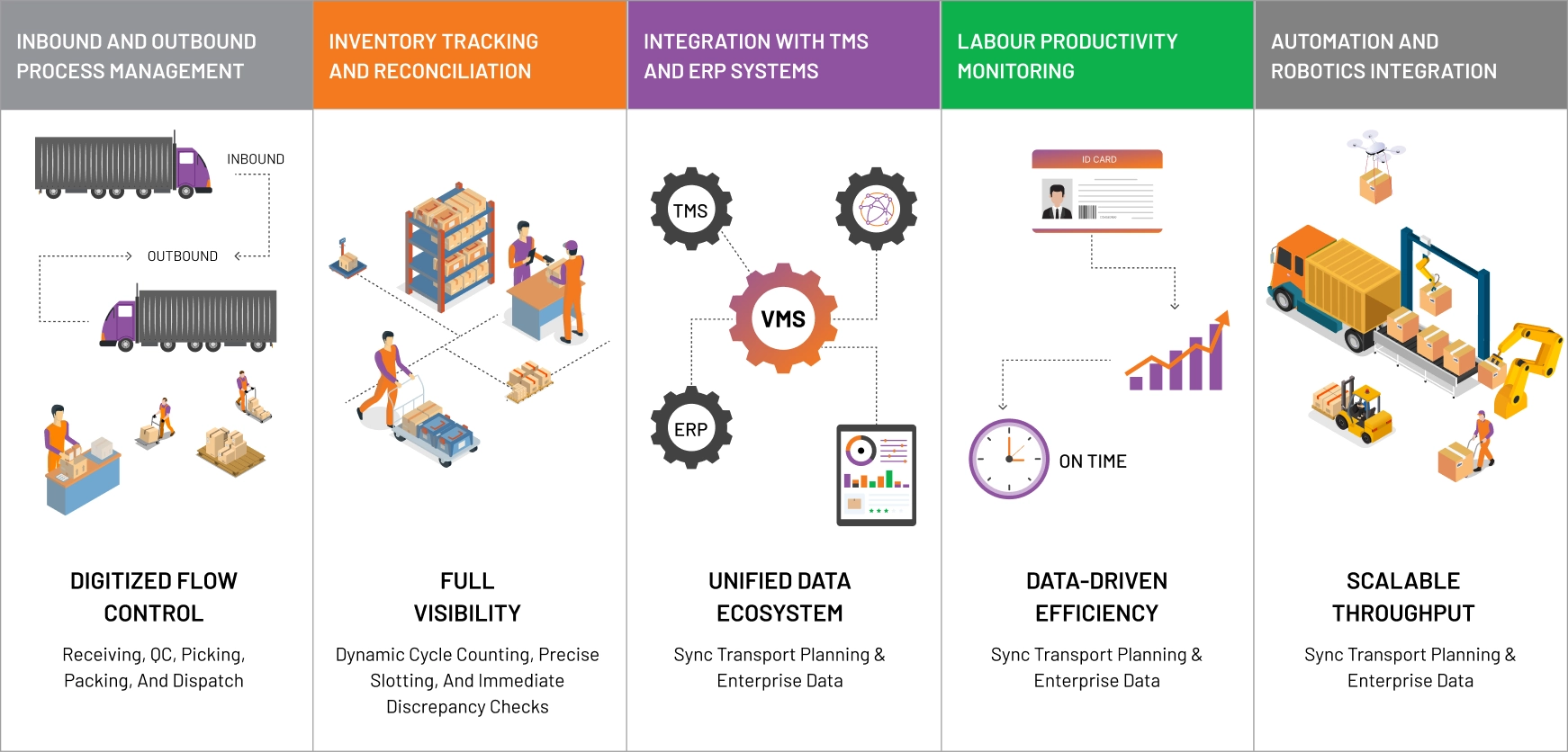
Warehouse Management Systems (WMS) form the core digital backbone, enabling real-time inventory visibility, process standardisation, and performance analytics. Integration with Transportation Management Systems (TMS), ERP platforms, and automation controls creates end-to-end supply chain transparency.
1. Digitalisation and Warehouse Management Systems
Modern Grade A warehouses are designed as digital infrastructure assets. Warehouse Management Systems (WMS) enable real-time inventory visibility, process standardisation, productivity tracking, and integration with transportation and enterprise systems.
Digitally enabled warehouses support automation, predictive analytics, and real-time decision-making, which are essential in high-velocity supply chains.
Core WMS Capabilities
2. Automation Technologies and Infrastructure Readiness
Advanced automation technologies such as ASRS, pallet shuttles, sortation systems, AGVs, and robotics demand precise structural tolerances, high floor flatness, reliable power, and robust data connectivity. Grade A warehouses are designed to meet these requirements from inception.
By incorporating these principles into design, Grade A facilities future-proof operations against rising labour costs and volatility.
3. Digital Twins, AI, and Predictive Operations
Emerging technologies such as digital twins and artificial intelligence are enabling predictive planning and optimisation. Digital twins allow operators to simulate warehouse layouts, test process changes, and optimise flows before physical implementation. AI-driven analytics enhance demand forecasting, slotting optimisation, and maintenance planning.
These capabilities depend on high-quality infrastructure and data integrity, reinforcing the strategic importance of Grade A warehousing.
VIII. Warehousing Economics and Lifecycle Costing: Grade A vs Grade B/C Warehousing
1. Understanding the Classification Gap
Warehousing stock in India is commonly classified into Grade A, Grade B, and Grade C categories. While this classification is widely used by industry participants, it is important to recognise that it is not formally codified under any single statute.
Instead, it has evolved through market practice, investor expectations, occupier requirements, and alignment with standards referenced by bodies such as the Warehousing Association of India (WAI), Bureau of Indian Standards (BIS), and National Building Code (NBC).
Grade B and Grade C warehouses typically represent legacy infrastructure, incremental developments, or facilities constructed with a narrow focus on upfront cost minimisation rather than long-term performance. These facilities may be structurally adequate for basic storage, but they often lack the design depth required for modern logistics operations.
WAREHOUSING ECONOMICS & LIFECYCLE COSTING:
GRADE A VS GRADE B/C WAREHOUSING
| FEATURE / METRIC | GRADE A INDUSTRIAL & SUSTAINABLE LOGISTICS PARKS | GRADE B/C LEGACY & INCREMENTAL WAREHOUSING |
|---|---|---|
 HEADLINE RENTAL COST HEADLINE RENTAL COST | Reduced business interruption. | Elevated business interruption. |
 VOLUMETRIC EFFICIENCY VOLUMETRIC EFFICIENCY | High (e.g., ≥12m) | Limited (e.g., <9m) |
 FLOORING & MAINTENANCE FLOORING & MAINTENANCE | Superior (FM2 compliant) | Legacy/Basic |
 THROUGHPUT & SPEED THROUGHPUT & SPEED | Optimized | Manual-focused |
 AUTOMATION READINESS AUTOMATION READINESS | Native (ASRS/Cobots/AGVs) | Retrofit often unviable |
 INSURANCE & RISK INSURANCE & RISK | Proactive compliance (NBC/BIS) | Operational gaps (fire/safety) |
 ESG & SUSTAINABILITY ESG & SUSTAINABILITY | Strategic (Efficiency/Solar) | Cost minimized |
 LONG-TERM ASSET VALUE LONG-TERM ASSET VALUE | Durable value/Exit liquidity | Functional obsolescence |
 TOTAL COST OF OPERATIONS TOTAL COST OF OPERATIONS | FREQUENTLY LOWER | Often Higher (hidden costs) |
2. Beyond Rental Comparisons
Warehouse selection decisions are often driven by headline rental costs, yet this narrow focus obscures the true economics of warehousing. Grade A facilities typically command rental premiums of 15-25% over Grade B/C alternatives, but these are offset by superior operational efficiency, lower risk, and reduced lifecycle costs.
Higher clear heights reduce space requirements by 20-30% through better volumetric utilisation. Efficient layouts improve throughput and reduce truck turnaround times. Superior flooring (FM2/DM2 standards) lowers equipment maintenance costs and operational downtime. Compliance-led design reduces insurance premiums, often 10-15% lower than Grade B/C facilities due to adequate fire protection systems; and minimises regulatory exposure.
Grade B and C warehouses may offer lower rents, but they typically exhibit gaps in NBC fire provisions, BIS-referenced machinery standards, and occupational safety practices. These compliance gaps translate into elevated business interruption risk, higher insurance costs, and potential regulatory penalties. In high-velocity supply chains, even short disruptions can have disproportionate downstream impacts.
When evaluated holistically - factoring in space efficiency, maintenance costs, insurance, compliance risks, and operational continuity - Grade A warehouses frequently deliver lower total cost of operations despite higher headline rents.
3. Asset Durability and Long-Term Value
Grade A warehouses are designed for long operational lifecycles with minimal functional obsolescence. Durable materials, scalable infrastructure, and future-ready design enable assets to adapt to evolving business models and technologies.
Critically, Grade A facilities embed automation readiness into their design through adequate clear heights, superior floor flatness (FM2/DM2), robust power infrastructure, and sufficient structural tolerances. This allows occupiers to evolve from manual operations to semi-automated and fully automated systems - including ASRS, shuttle systems, conveyors, and robotics, without relocating or disrupting core supply chain networks.
Grade B and C facilities, by contrast, are rarely designed with automation in mind. Limited clear heights, insufficient floor flatness, constrained power infrastructure, and inadequate structural capacity restrict technology adoption. Retrofitting such facilities is often economically unviable, forcing occupiers to relocate as operational complexity increases.
From an investment perspective, this durability and scalability translate into stable cash flows, higher occupancy rates, superior tenant retention, and sustained valuation premiums across market cycles. Grade A warehouses offer the resilience, regulatory certainty, and operational continuity that make them the preferred choice for mission-critical logistics operations.
IX. Investor and Developer Perspective: Why Grade A Wins
1. Capital Allocation and Risk Appetite
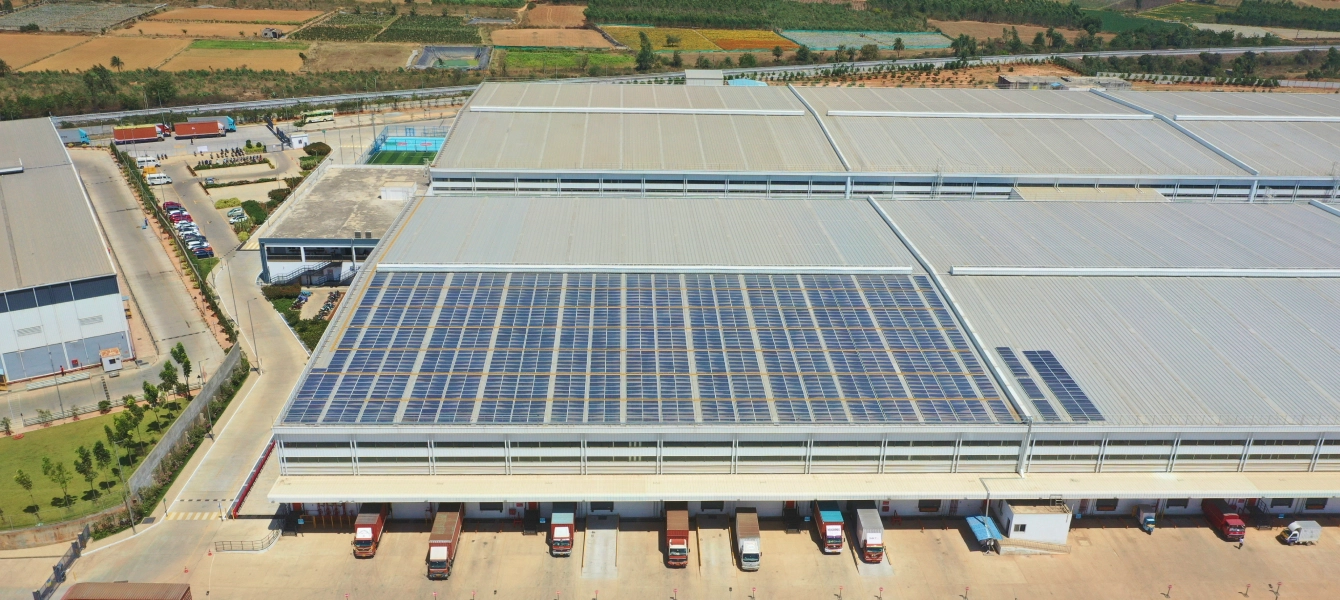
Institutional investors increasingly favour Grade A warehousing due to its predictable cash flows, lower risk profile, and long-term relevance. Compliance with recognised standards reduces regulatory uncertainty, while superior design extends asset life and adaptability.
From a developer perspective, although Grade A facilities require higher upfront capital investment, they deliver superior returns through higher occupancy, longer lease tenures, and stronger tenant covenants.
2. Asset Longevity and Exit Liquidity
Grade A warehouses are designed for 25–30 year operational lifecycles with minimal functional obsolescence. This longevity enhances exit liquidity, as assets remain relevant to successive generations of occupiers.
Lower-grade facilities, by contrast, face accelerated obsolescence as operational requirements evolve, leading to value erosion and limited exit options.
3. Valuation Premiums and Market Cycles
Empirical market evidence consistently shows valuation premiums for Grade A assets, particularly those located in established logistics hubs with strong ESG credentials. During market downturns, Grade A facilities demonstrate greater resilience due to sustained demand from organised logistics players, e-commerce firms, and manufacturers.
For institutional developers and investors aligned with long-term value creation, Grade A warehousing represents a structurally superior asset class.
Final Synthesis: The Strategic Role of Grade A Warehousing
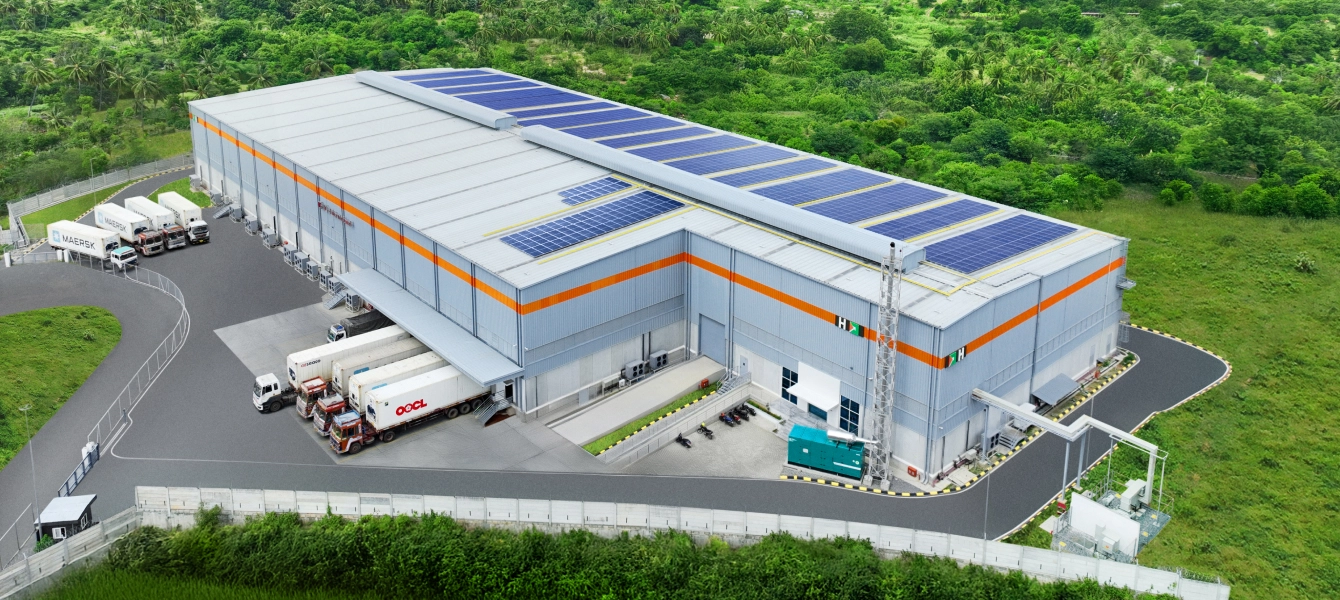
The evolution of India's warehousing sector reflects broader economic, technological, and regulatory shifts. Grade A warehouses sit at the intersection of these forces, enabling efficient, resilient, and sustainable supply chains.
Grade A warehouses are no longer optional infrastructure upgrades: they are strategic enablers of competitive advantage. By integrating robust structural design, digital infrastructure, and sustainability principles, Grade A facilities reduce total logistics costs while improving speed, resilience, and scalability.
This guidebook, informed by warehousing standards adopted by institutional developers in India and enhanced through industry interpretation, is intended to help warehouse developers, occupiers, investors, and policymakers evaluate and deliver warehousing assets that are future-ready, globally competitive, and aligned with India's long-term logistics and economic growth trajectory.
As India advances toward its ambition of becoming a global manufacturing and logistics hub, Grade A warehousing will play a foundational role in supporting growth, competitiveness, and sustainability over the decades ahead.
References